Kanniyakumari
Udayagiri Fort
Photo: Infocaster at English Wikipedia · CC BY-SA 3.0
Palace Country · Fort

Udayagiri Fort

உதயகிரி கோட்டை

Barracks and gun foundry of the Travancore army

Move across the photo, or drag it on a phone, to look around.

You arrive

You turn off the Thiruvananthapuram to Nagercoil highway at Puliyoorkurichi and the road noise drops away behind stone. This is the fort that served as the main military barracks when Padmanabhapuram was the capital. The enclosure is large, about 90 acres, and a single rocky hillock of 260 feet stands up from it. You leave the vehicle and start walking along the old wall, with trees closing in overhead and the hill always somewhere ahead.

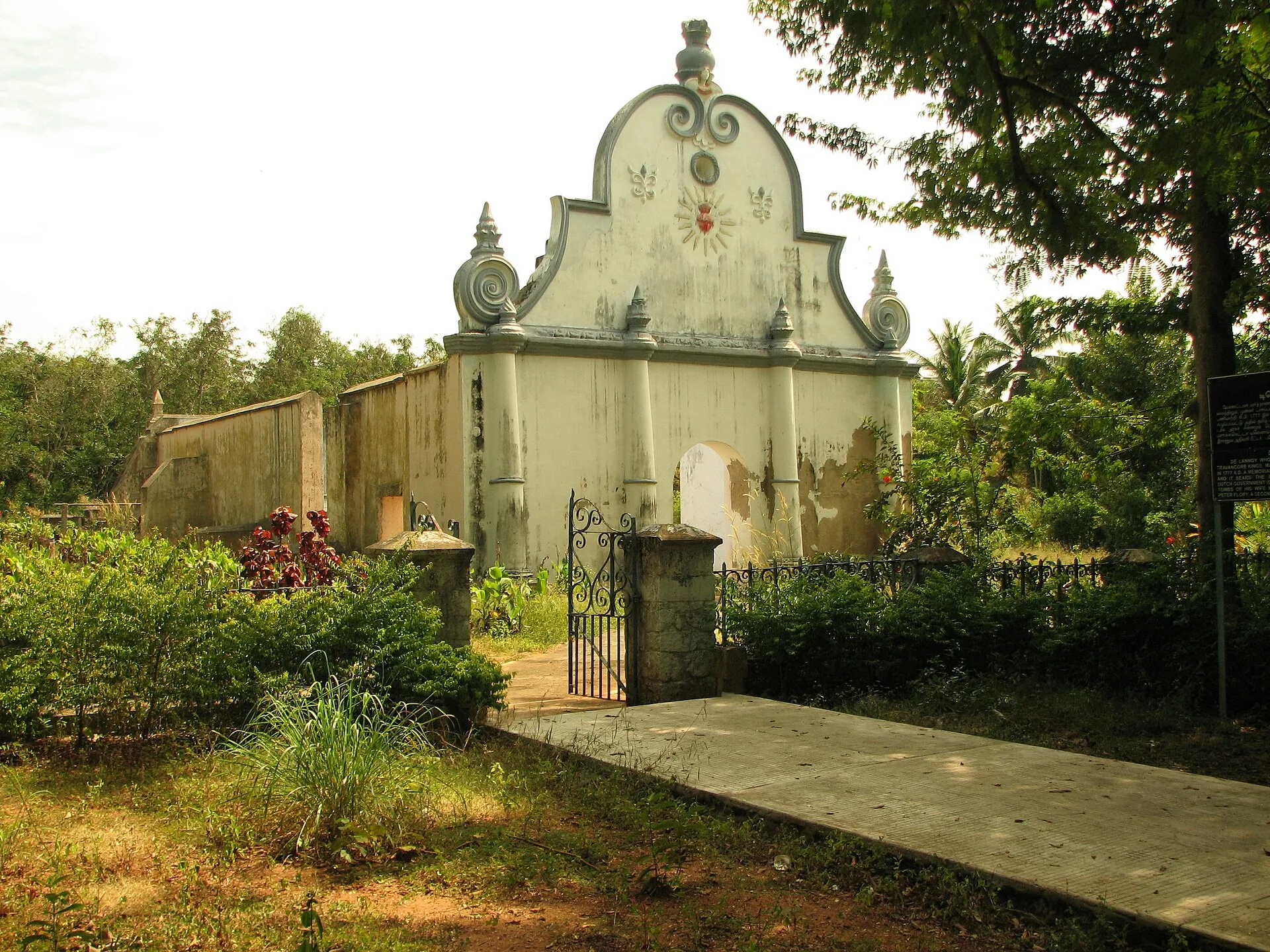
De Lannoy's tomb, inside the fort
De Lannoy's tomb, inside the fort · Photo: Adsamarnalkar · CC BY-SA 4.0
01 / 03

Along the granite walls

You follow the fortification on foot. These walls date from the rebuilding of 1741 to 1744, carried out for Marthanda Varma under Eustachius De Lannoy, the Flemish commander who had fought against Travancore and then came to serve it. Put a hand on the stone. It was raised to hold off real armies, and even with trees grown up around it the line of the defence is easy to read.

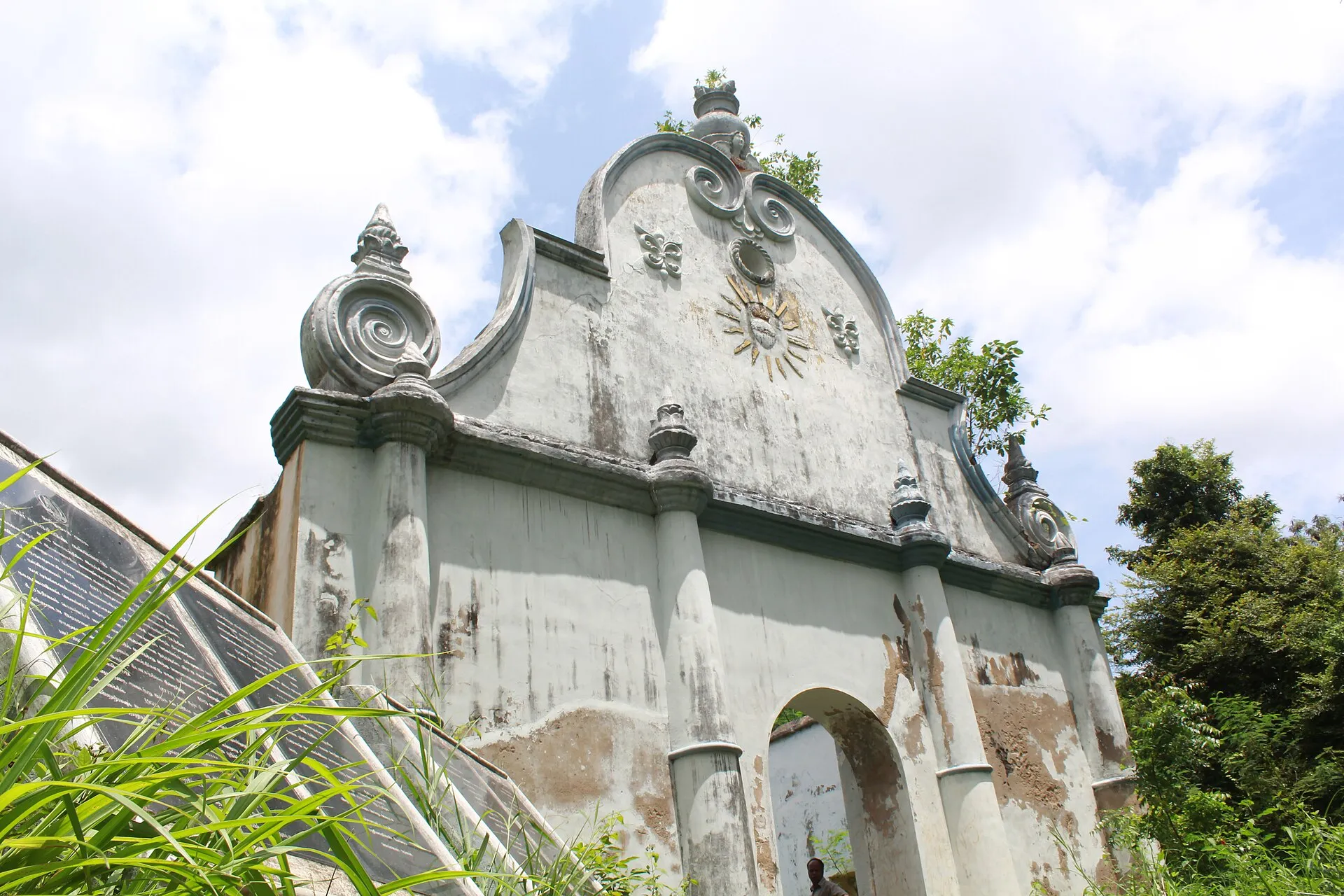
De Lannoy's tomb, inside the fort
De Lannoy's tomb, inside the fort · Photo: Adsamarnalkar · CC BY-SA 4.0
02 / 03

The old foundry

You look for the remains of the foundry where guns were cast. This is what set the place apart: the fort was not only a garrison but a workshop for the army's artillery. Think about the heat and noise such work demanded in a climate this warm, and how quiet the same ground is now, with only birds and the shifting of leaves around you.

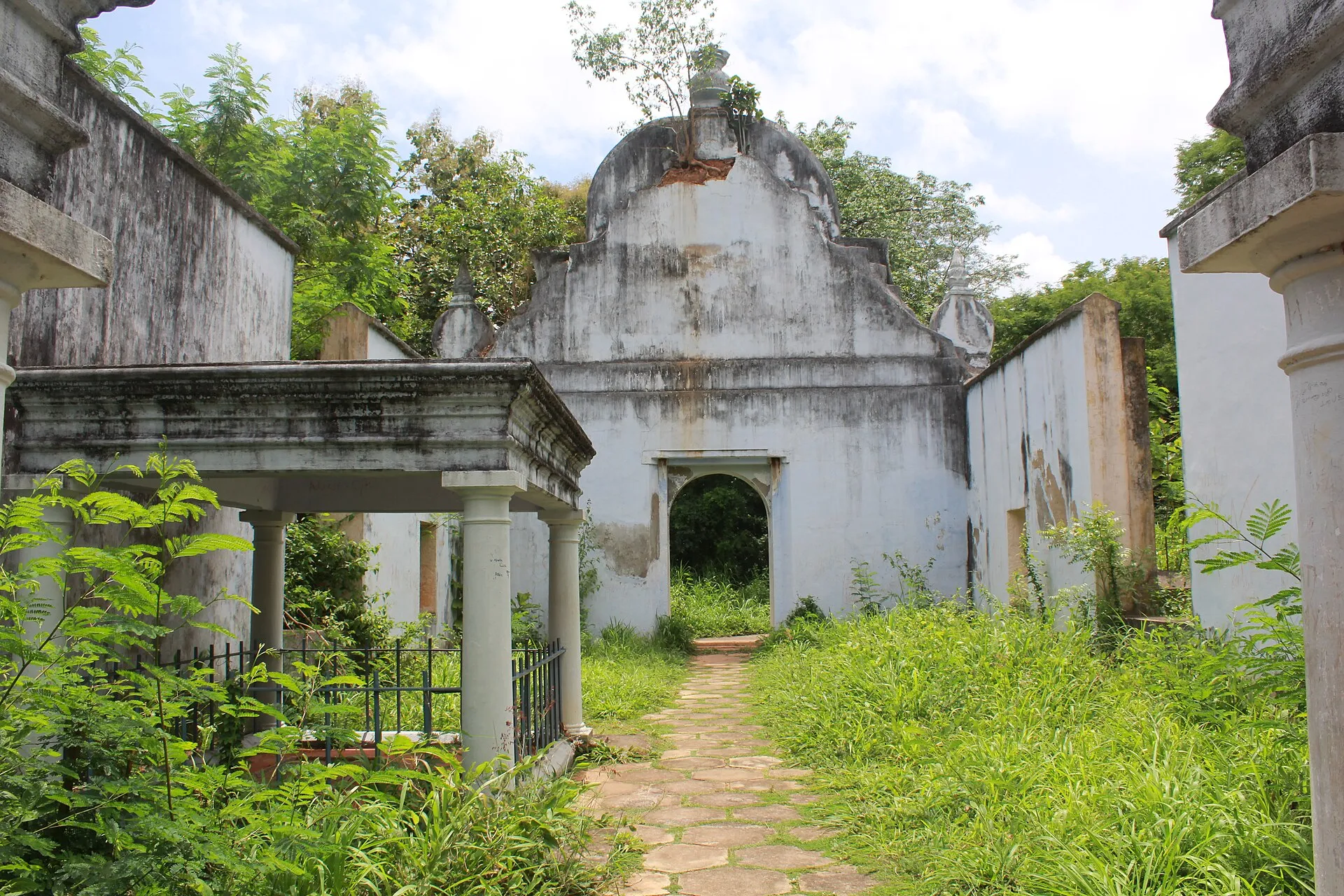
De Lannoy's tomb, inside the fort
De Lannoy's tomb, inside the fort · Photo: Adsamarnalkar · CC BY-SA 4.0
03 / 03

Under the hillock

You finish below the 260-foot hillock, the high point the whole enclosure was built around. Prisoners taken in the campaign against Tipu Sultan were held in this fort for a time, and in 1810 the East India Company's army under Colonel Leger marched into Travancore through the Aralvaimozhi pass during the rebellion led by Velu Thampi. You look up at the bare rock and then back along the way you came.

Being here

You see

Long stretches of granite wall broken by tree trunks and a bare rock hill.

You hear

Birds and wind in the canopy, with the highway only a faint hum.

You smell

Leaf litter and warm stone.

You feel

Rough granite under your palm and dappled shade on your shoulders.

Look around

The story

Udayagiri was first built in the 17th century and rebuilt by Maharaja Marthanda Varma in the 18th. The work of 1741 to 1744 was supervised by Eustachius De Lannoy, a Flemish naval commander of the Dutch East India Company who later served as chief of the Travancore army. While Padmanabhapuram was the capital this was the rulers' most important military barracks. Its foundry cast guns, and prisoners from the campaign against Tipu Sultan were confined here for a time. In 1810 Company troops entered Travancore through the Aralvaimozhi pass to put down the rebellion led by Velu Thampi.

Sources: Wikipedia: Udayagiri Fort · Trawell: Kanyakumari places
Close by

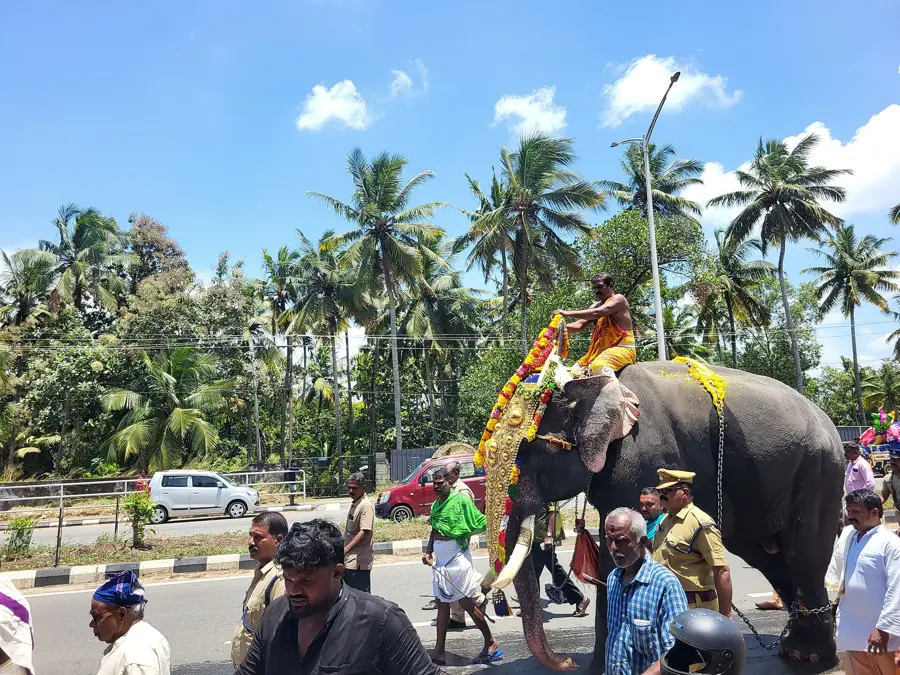
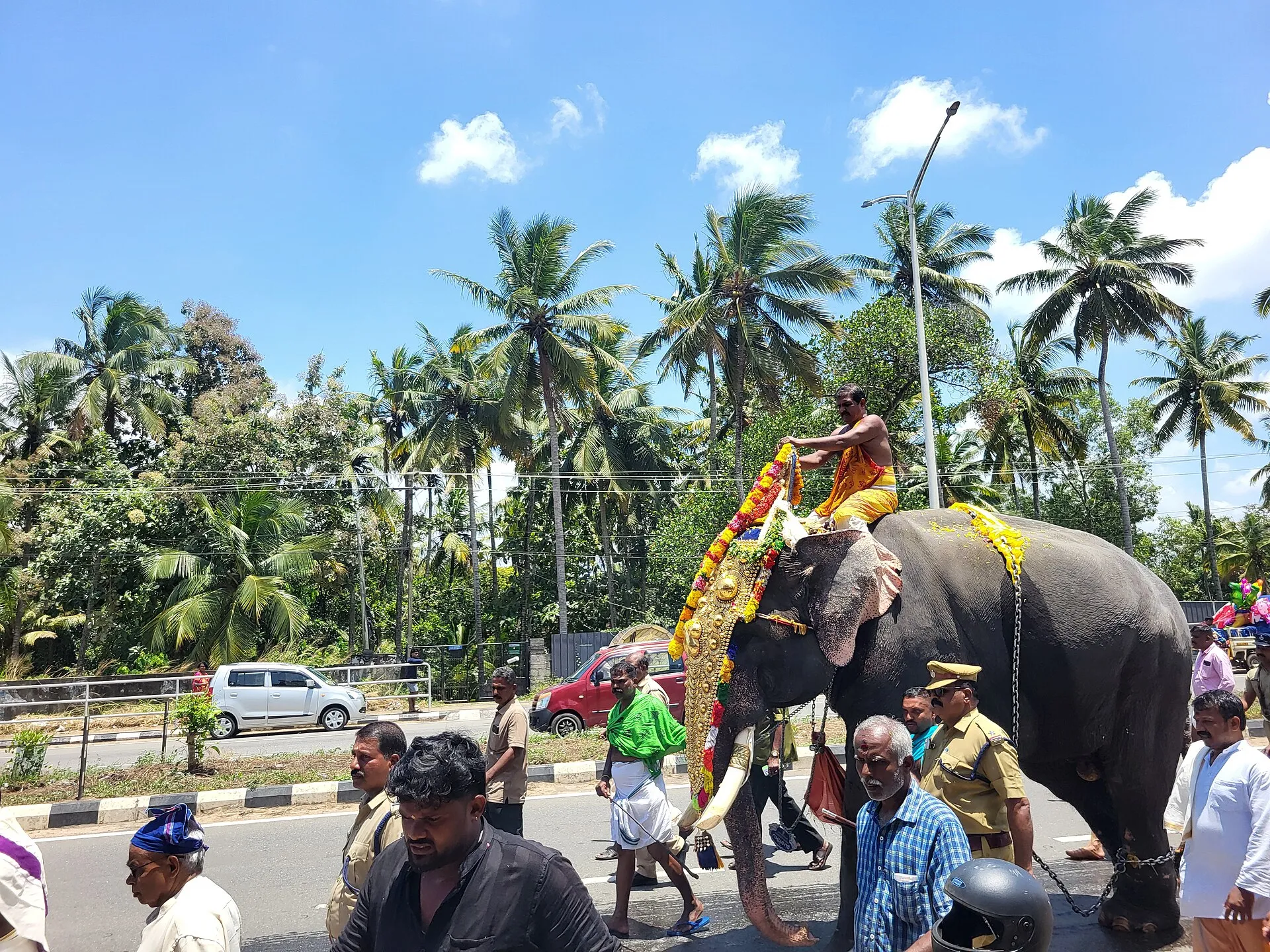
Navaratri procession from Padmanabhapuram and Kumarakovil
Navaratri procession from Padmanabhapuram and Kumarakovil · Photo: Athulvis · CC BY-SA 4.0
Continue the journey

Kumarakovil Murugan Temple