Kanniyakumari
Swamithope Pathi
Photo: Vaikunda Raja · CC BY-SA 4.0
East Coast · Temple

Swamithope Pathi

சுவாமிதோப்பு பதி

The first home of the Ayyavazhi faith

Move across the photo, or drag it on a phone, to look around.

You arrive

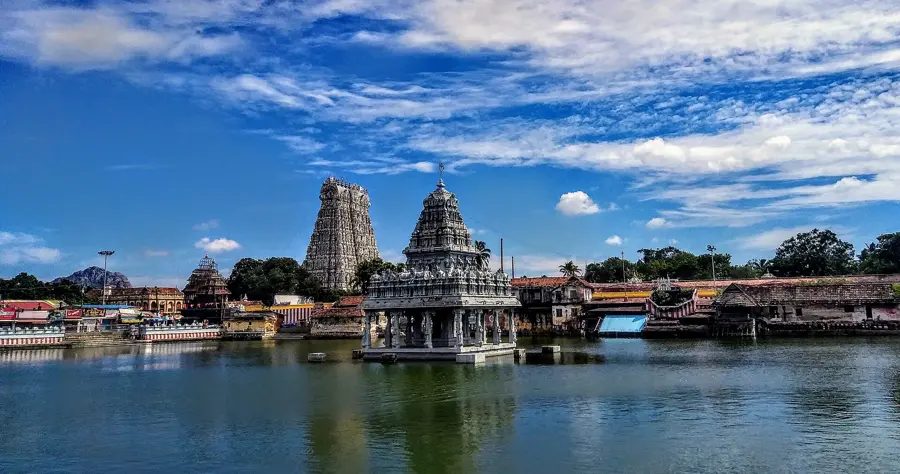
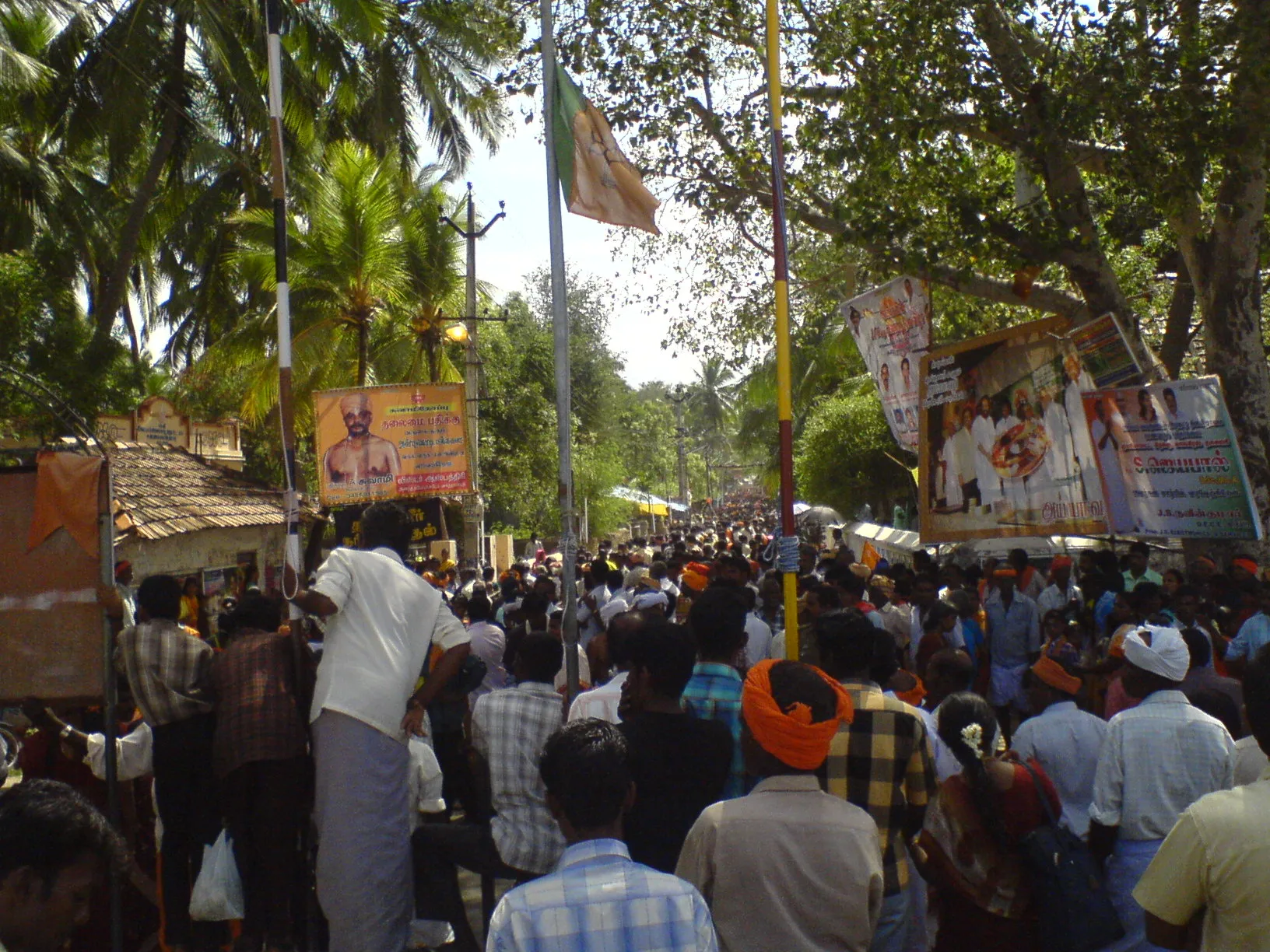
Halfway along the road between Nagercoil and the Cape, the traffic slows and the village draws you in. This was once a coconut grove, and the name still says so: thoppu means grove. Ahead stands the Pathi, the primary centre of Ayyavazhi, a faith born here in the 19th century. You will likely see devotees moving toward it with quiet purpose. Slow your pace to match theirs, and walk in as a guest.

Swamithope Pathi
Swamithope Pathi · Photo: Vaikunda Raja · CC BY-SA 3.0
01 / 04

Approaching the Pathi

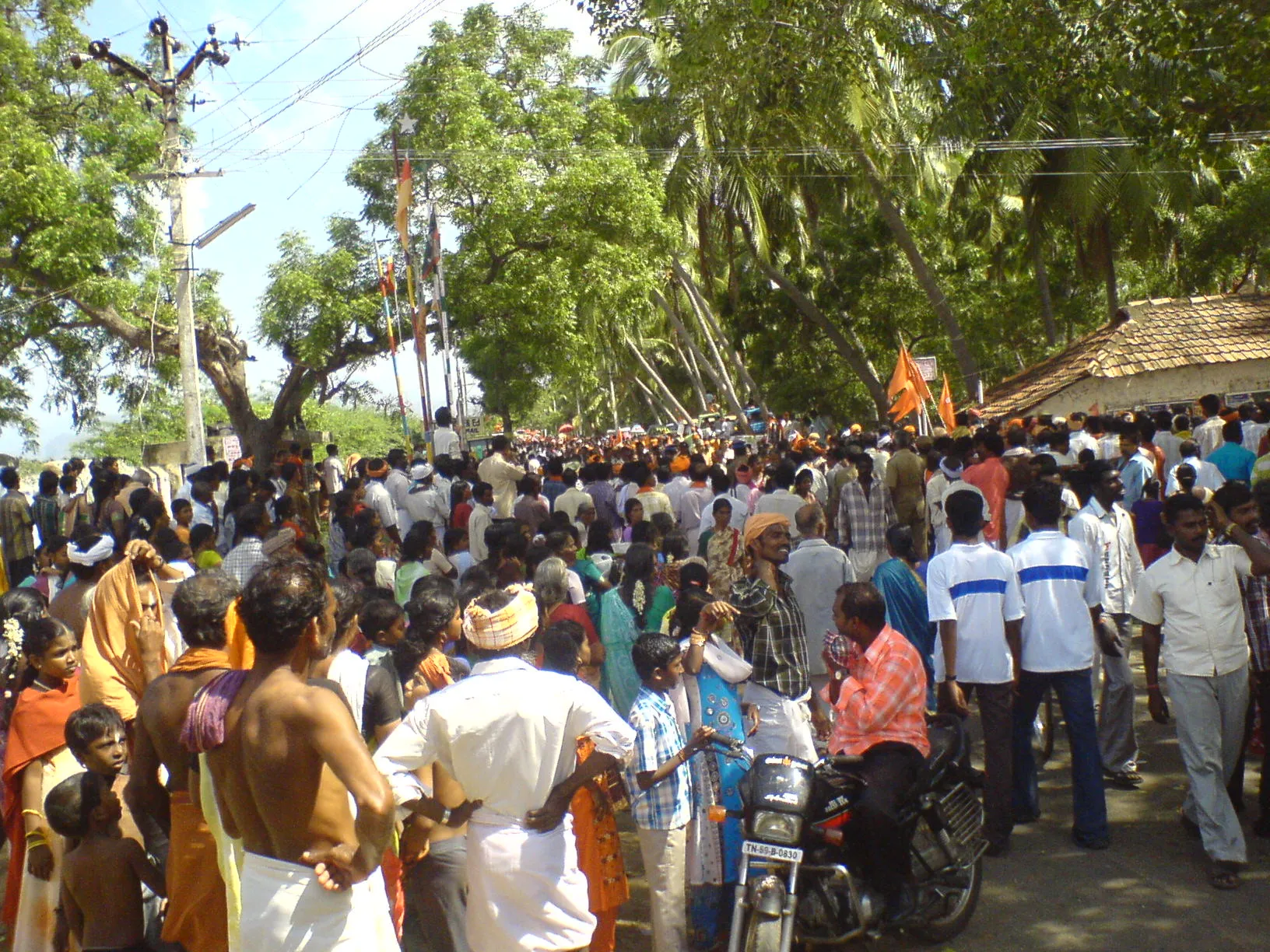
You come to the shrine through a village that has grown up around it, and the sense of a living community is strong. Ayyavazhi has its own holy book, the Akilathirattu Ammanai, and its own forms of worship, so do not expect this to work like a temple elsewhere. Watch what others are doing before you do anything yourself. Ask quietly if you are unsure where visitors may go.

Swamithope Pathi
Swamithope Pathi · Photo: Vaikunda Raja · CC BY-SA 3.0
02 / 04

The square-built shrine

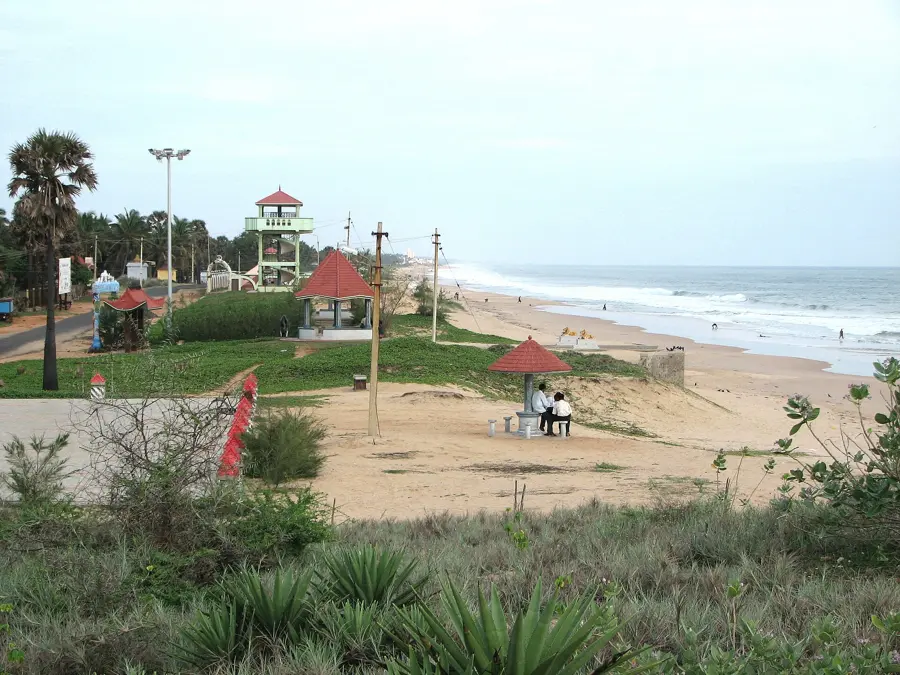
The Pathi is square in plan, built, according to Ayyavazhi tradition, to enclose the place where Vaikundar was interred. Stand back and take in the form of it before moving closer. The attention of the people around you is directed inward, toward a presence rather than an image in the usual sense. Keep your voice low and your phone away, and let the devotion of others set the tone.

Swamithope Pathi
Swamithope Pathi · Photo: Vaikunda Raja · CC BY-SA 3.0
03 / 04

Where the Tavam was kept

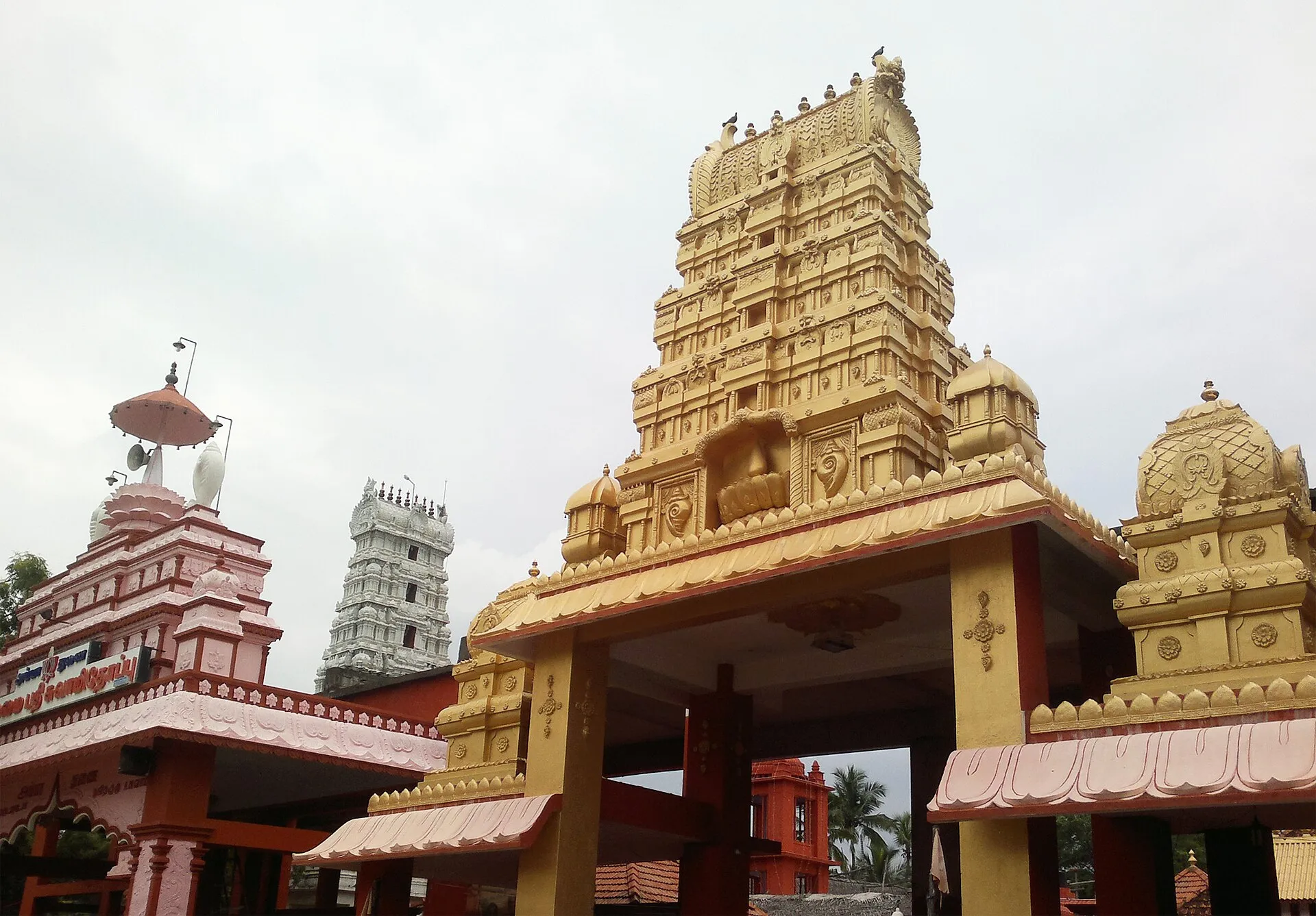
Tradition holds that Vaikundar carried out his Tavam, a long period of penance, at this place for six years, drawing followers from far away. The district's page calls Swamithope the first pathi, and records that his successors still conduct the daily Pani Vidai. If a service is under way, stand to one side and listen. Whatever your own beliefs, the continuity of the practice here is the thing to notice.

Swamithope Pathi
Swamithope Pathi · Photo: Vaikunda Raja · CC BY-SA 4.0
04 / 04

Back through the village

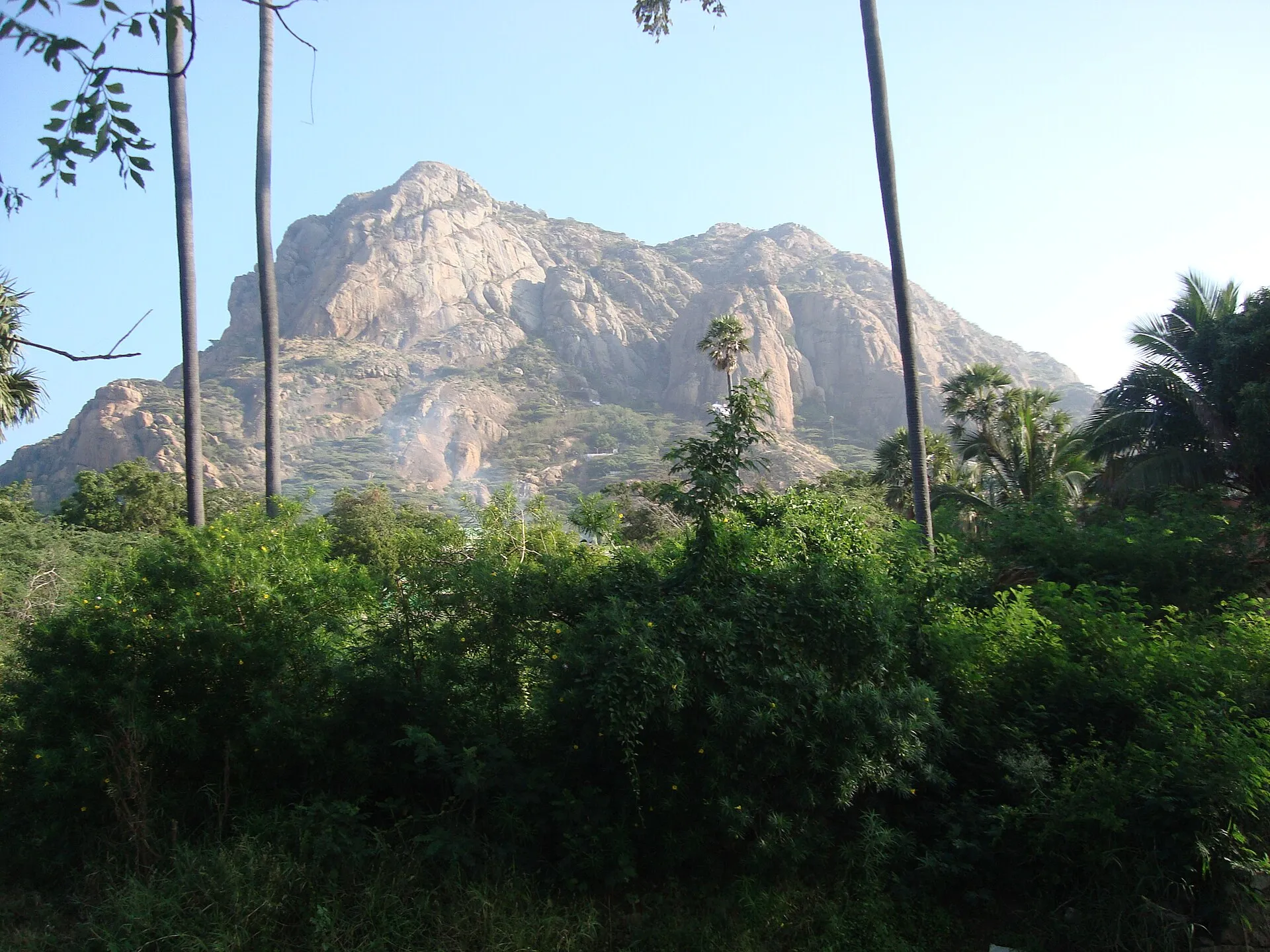
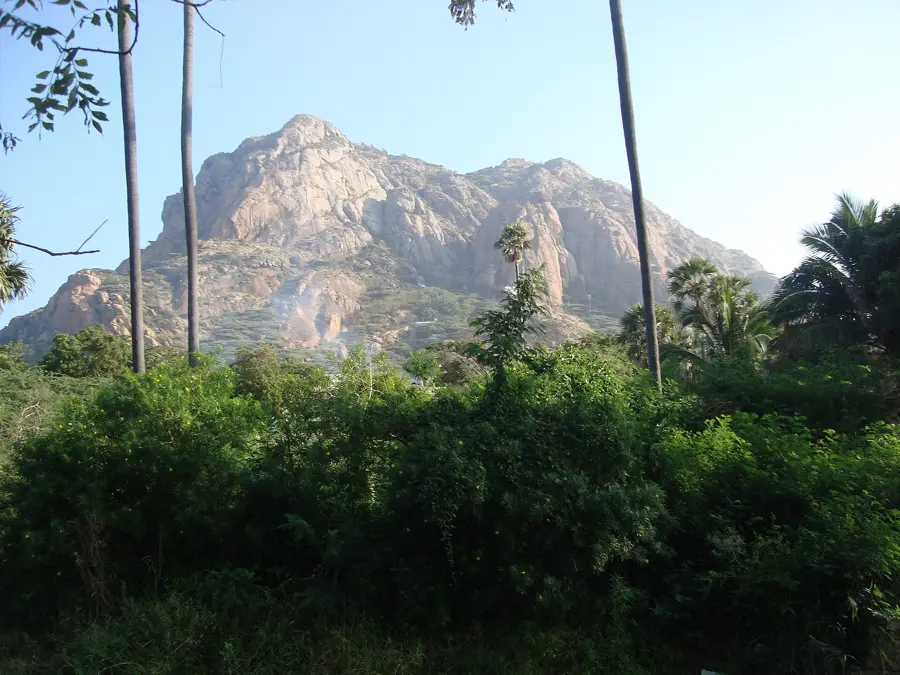
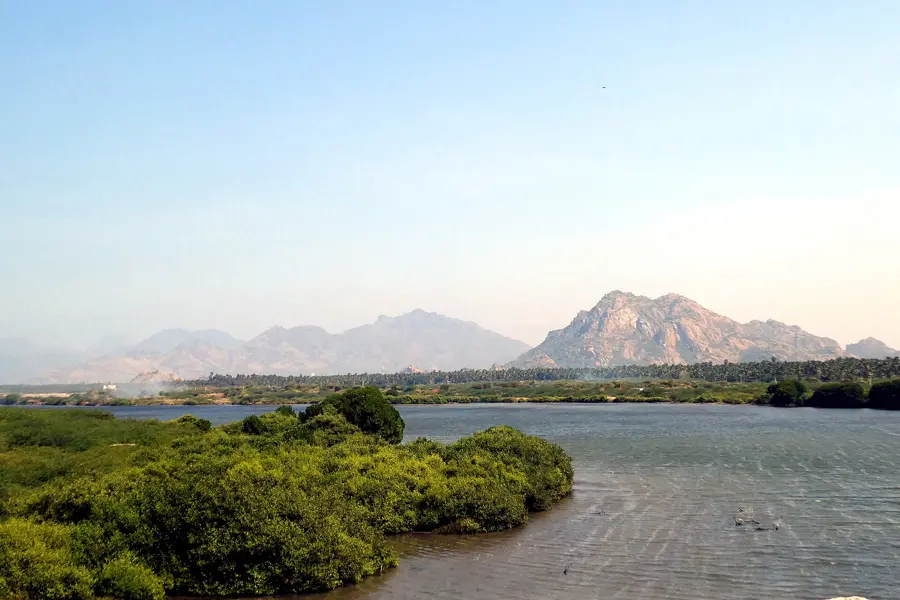
Leave as you arrived, without hurrying. Outside, the ordinary life of the village carries on around the shrine, and it is easy to imagine the coconut grove this once was. The road back toward Nagercoil or the Cape is only minutes away, and the Marunthuvazh hill, itself linked to Vaikundar's life, rises close by. Take a moment before you rejoin the traffic and the busier sights of the district.

Being here

You see

A square shrine, a working village and devotees moving with purpose.

You hear

Low voices and the sound of worship at service times.

You smell

Incense and the dust of a village road.

You feel

A settled, unhurried quiet around the shrine.

The story

Swamithope, known earlier as Poovandanthoppe, is the birthplace of the Ayyavazhi tradition. According to Ayyavazhi belief, Vaikundar incarnated from the sea and came to this place, where he carried out his Tavam for six years. The district's account places the start of his social reform here following his enlightenment at Thiruchenthur in 1833. When authorities came to arrest him he withdrew into the sea at Muttappathi, tradition says, and was arrested after returning. After his death the square Pathi was built to enclose his place of burial. Primary among the five Pancha Pathis, it is called Thoppuppathi in the holy book, and devotees still regard it as the sacred centre of the faith.

Sources: Wikipedia: Swamithope Pathi · Wikipedia: Swamithope · Kanniyakumari district: temples (updated 04.07.2018)
Close by

Marunthuvazh Malai
Photo: V.B.Manikandan at Tamil Wikipedia · Public domain
Continue the journey

Marunthuvazh Malai