Kanniyakumari
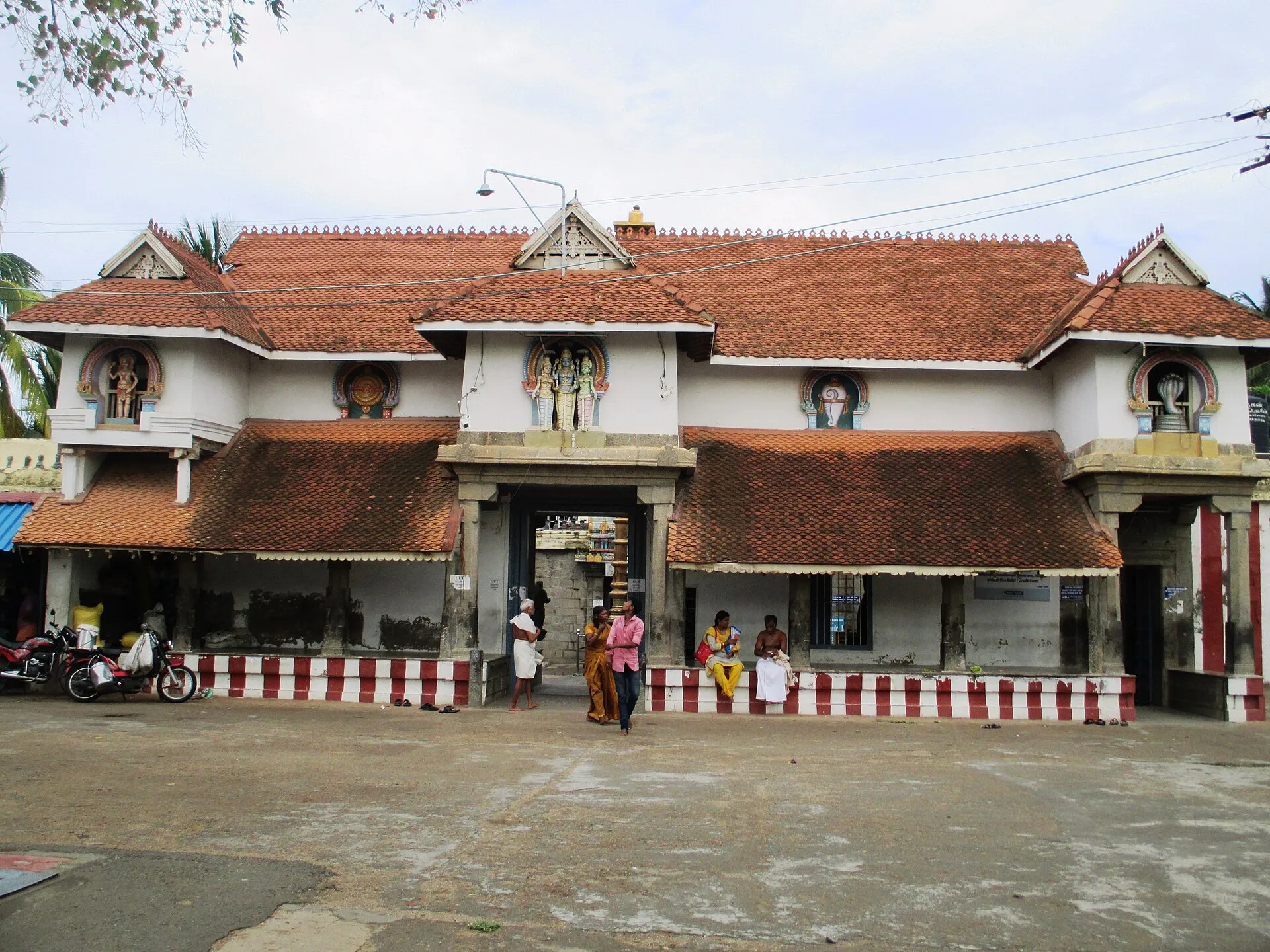
Nagaraja Temple, Nagercoil
Photo: Ssriram mt · CC BY-SA 4.0
Nagercoil & the Pass · Temple

Nagaraja Temple, Nagercoil

நாகராஜா கோவில்

The serpent king who gave a city its name

Move across the photo, or drag it on a phone, to look around.

You arrive

You are in the middle of a busy city, and then you are at the gate of the temple that named it. Nagercoil means the temple of the Naga, and the snake appears everywhere once you start looking. The architecture does not quite resemble what you have seen elsewhere in Tamil Nadu. Traffic and voices fade as you leave your footwear and step through, onto stone worn smooth by many generations of bare feet.

Nagaraja Temple, Nagercoil
Nagaraja Temple, Nagercoil · Photo: Infocaster at English Wikipedia · CC BY-SA 3.0
01 / 04

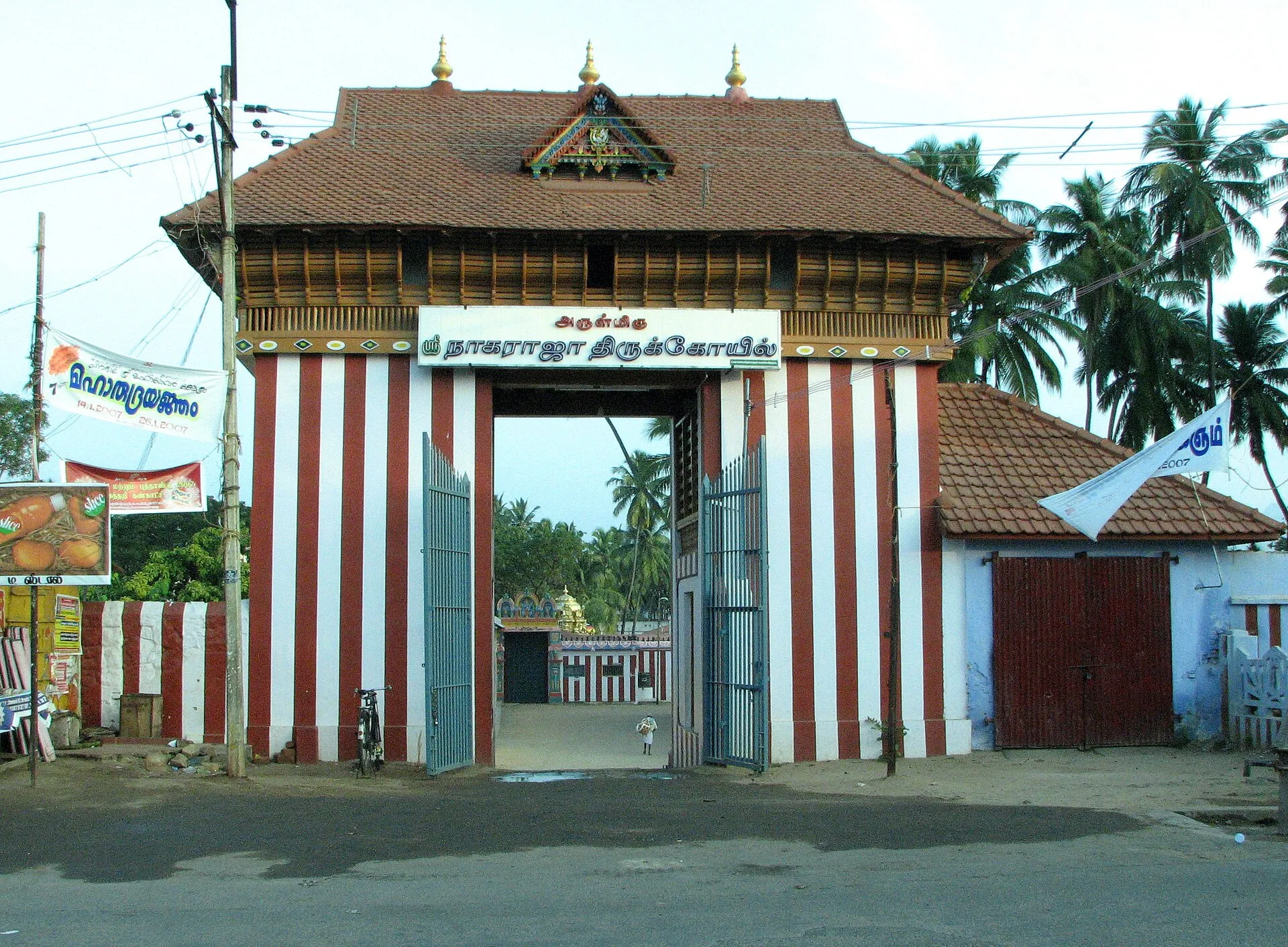
Through the unusual gateway

Stop and look properly at the entrance. Scholars describe this temple's architecture as non-standard, from the main gopuram to the sanctum, and that strangeness is what makes it interesting. It does not fit neatly into the regional styles around it. Take in the serpent imagery carved into the stonework. Then walk through, past whoever is selling offerings at the threshold, and into the shade of the temple's interior.

Nagaraja Temple, Nagercoil
Nagaraja Temple, Nagercoil · Photo: Ssriram mt · CC BY-SA 4.0
02 / 04

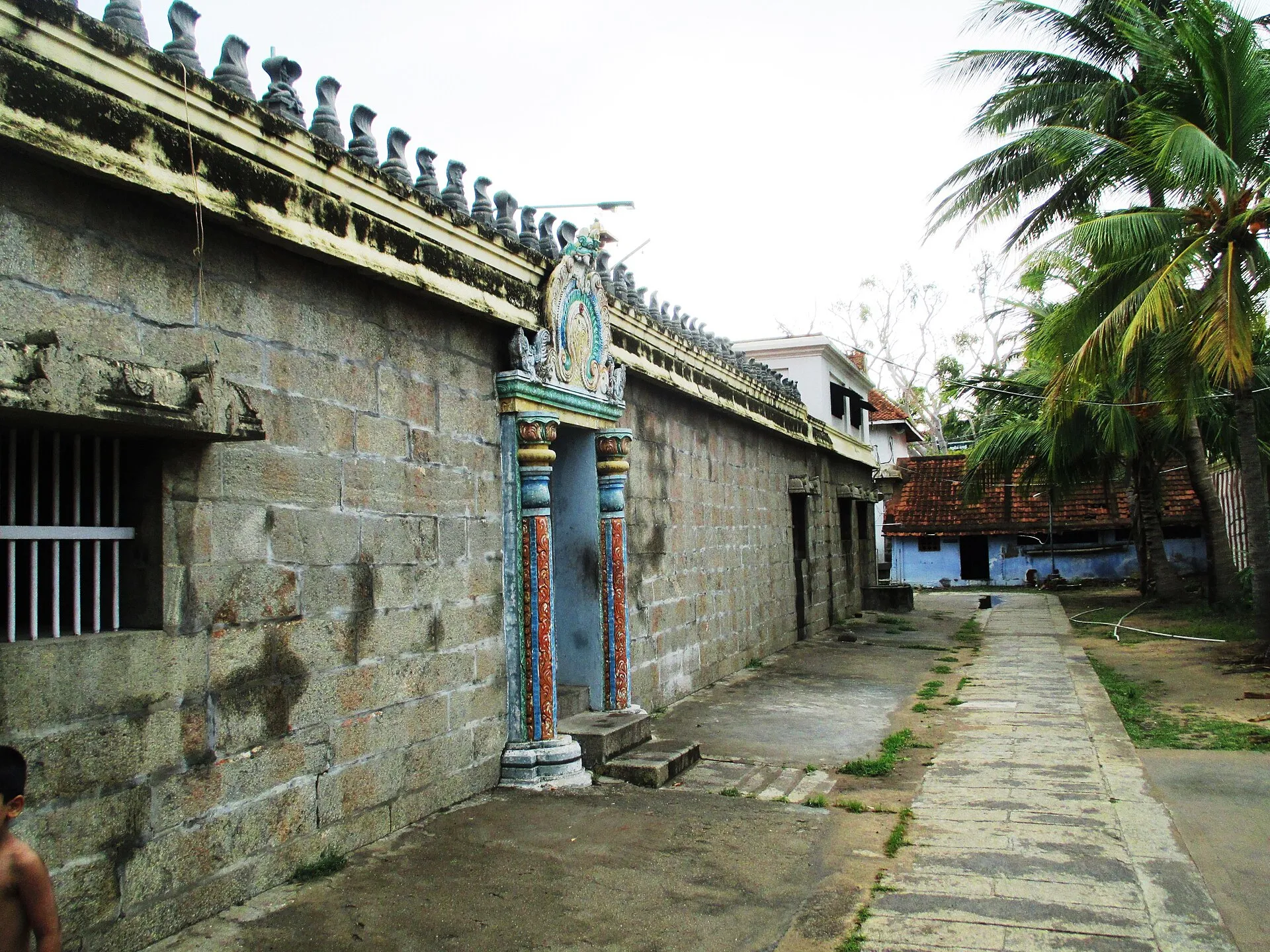
Among the serpents

Inside, you will see carved snakes on stone tablets and in niches, some of them thick with offerings. Naga flowers are part of the worship here, and the district's page records a local belief that snakes guard the temple and cause no deaths. Move slowly and take your cue from the devotees around you. The air is close and fragrant, and the sense of an old, particular form of worship is strong.

Nagaraja Temple, Nagercoil
Nagaraja Temple, Nagercoil · Photo: Ssriram mt · CC BY-SA 4.0
03 / 04

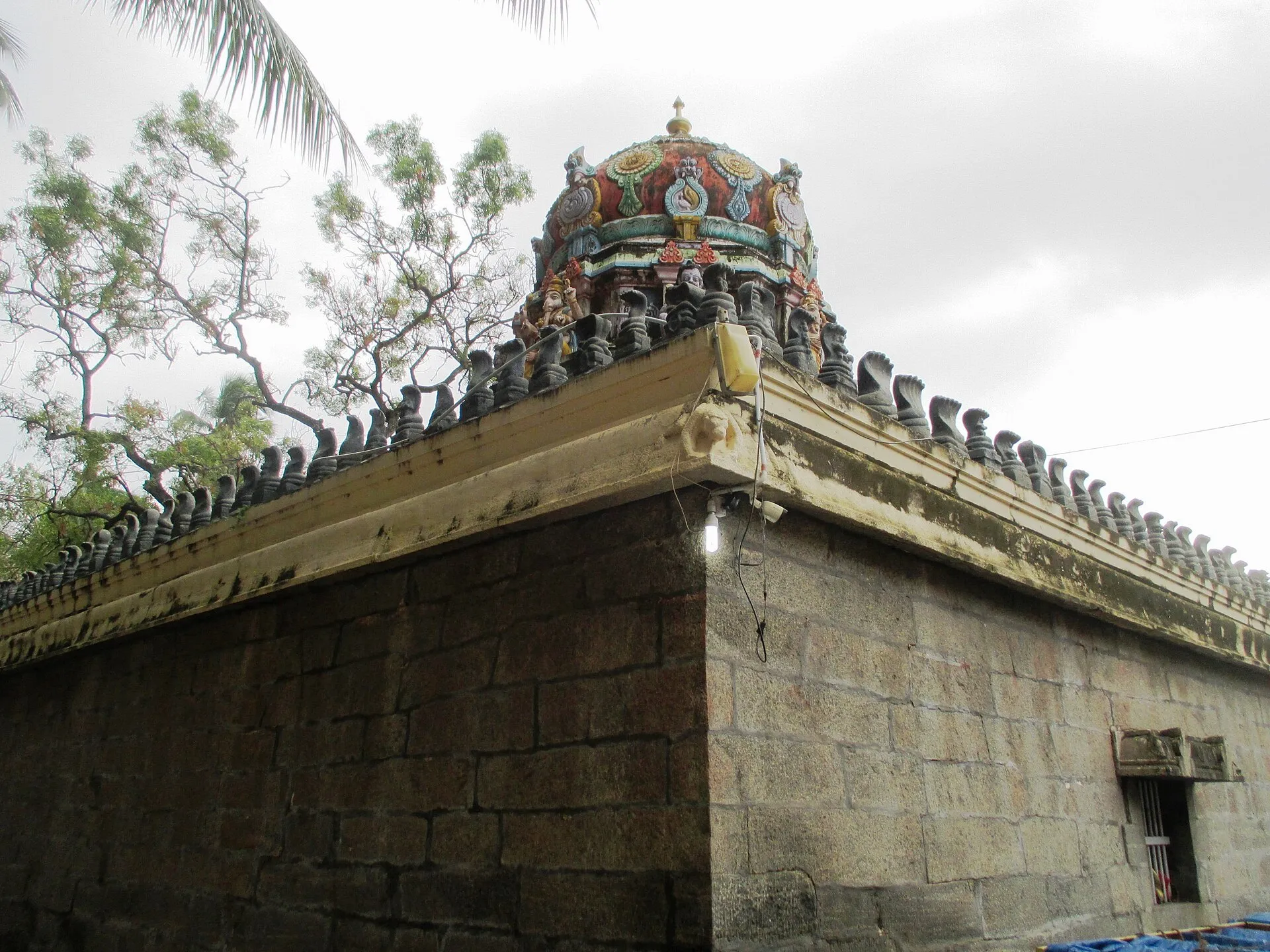
Three shrines, many faiths

The temple has three shrines. The oldest holds the original Nagaraja. A second is devoted to Ananthakrishna, the infant Krishna dancing on a coiled snake, with Rukmini and Satyabhama. The third is for Shiva. These later additions came from the 17th century onward, so as you pass from one to another you are walking through a slow widening of the temple's devotional life.

Nagaraja Temple, Nagercoil
Nagaraja Temple, Nagercoil · Photo: Ssriram mt · CC BY-SA 4.0
04 / 04

The Jain figures

Look carefully at the mandapa before you go. Among the Hindu deities here are six icons of Jain tirthankaras and the goddess Padmavati Devi, with unusual emblems. They have stayed part of the sacred company near the main sanctum for centuries. It is an uncommon sight, and a quiet record of how faiths have overlapped in this corner of India. Then return through the gate, into the noise of the city this temple named.

Being here

You see

Serpent carvings, flower offerings and unusual temple forms.

You hear

Temple bells against the muffled traffic of the city.

You smell

Flowers, oil and incense in close air.

You feel

Smooth stone underfoot and the sudden cool of the interior.

Look around

The story

Nagercoil takes its name from this temple of the serpent king. Its date is uncertain, but it is likely older than the 12th century, and scholars note architecture unlike the usual regional patterns. Since the 17th century, new shrines have drawn devotees of Krishna and Shiva and of Shakti traditions, alongside the original Nagaraja. Its most remarkable feature is the continued presence of Jain images, including Parsvanatha and Padmavati Devi, close to the main sanctum alongside Hindu deities such as Subrahmanya, Ganesha and Bhagavati. The district's page recounts the belief that Naga flowers are sacred here and that snakes guard the temple without harming anyone.

Sources: Wikipedia: Nagaraja Temple, Nagercoil · Kanniyakumari district: temples (updated 04.07.2018) · Trawell: places to visit
Close by

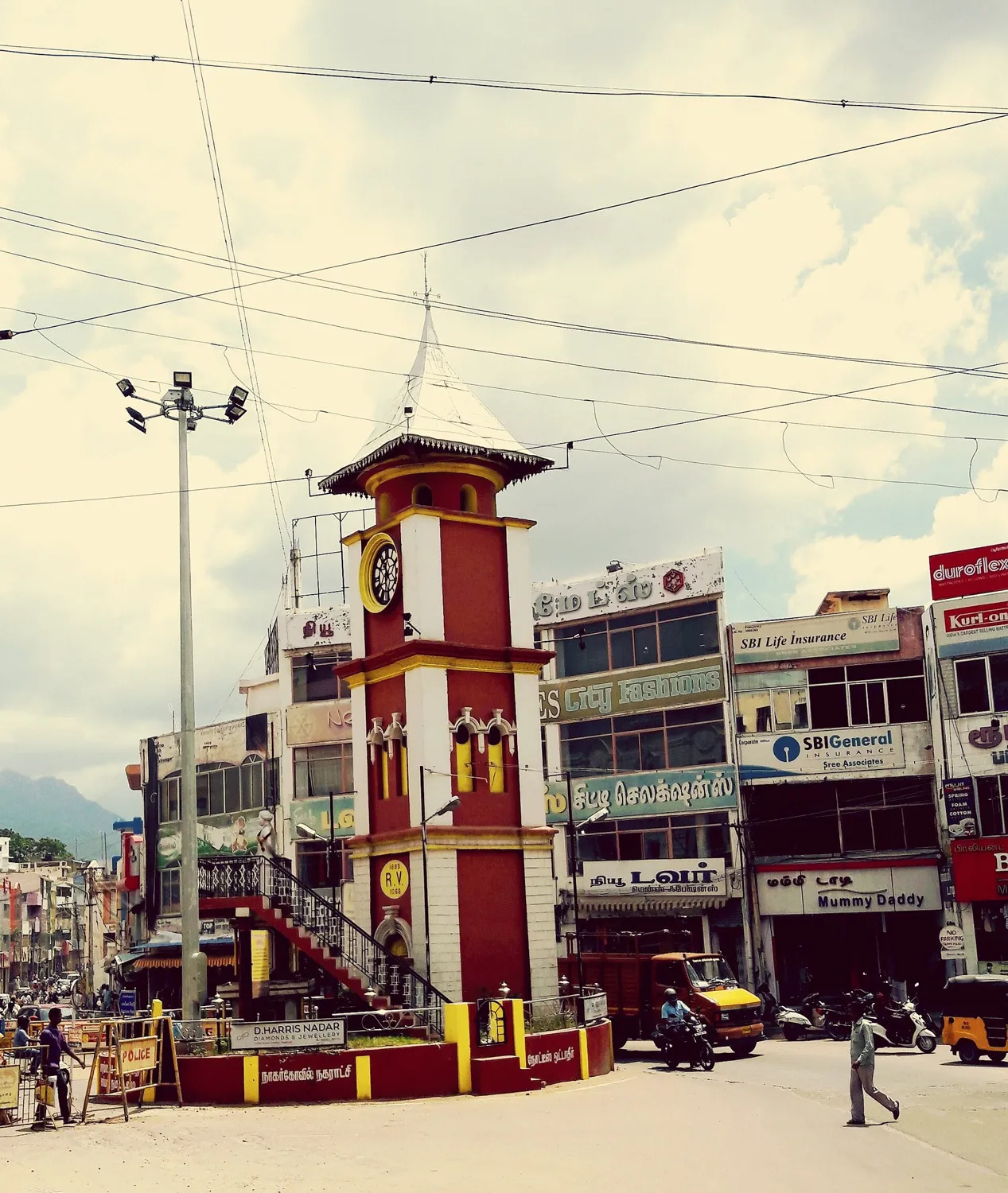
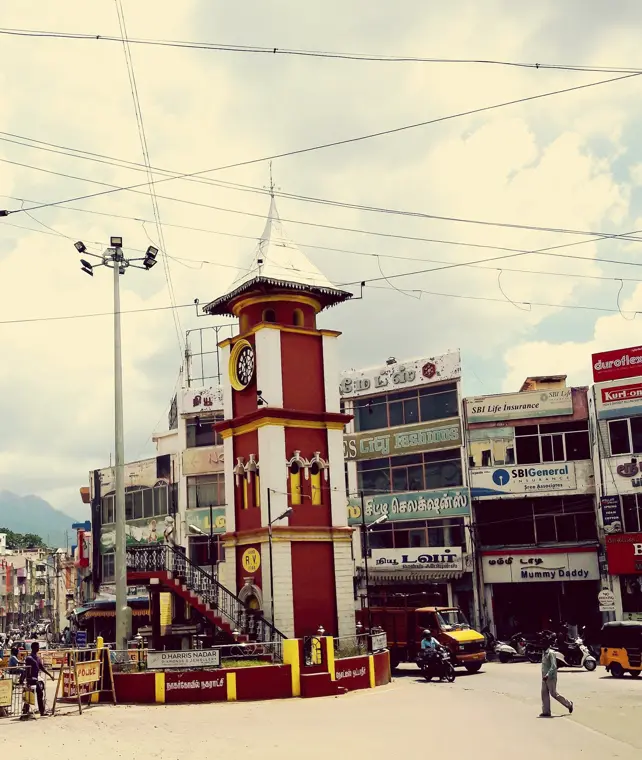
Mani Medai Clock Tower
Photo: arunpnair_787 · CC BY-SA 4.0
Continue the journey

Mani Medai Clock Tower