Kanniyakumari
Keeriparai and Kanniyakumari Wildlife Sanctuary
Photo: Infocaster at English Wikipedia · CC BY-SA 3.0
Western Ghats · Forest

Keeriparai and Kanniyakumari Wildlife Sanctuary

கீரிப்பாறை

The southern end of the Western Ghats, and tiger habitat

Move across the photo, or drag it on a phone, to look around.

You arrive

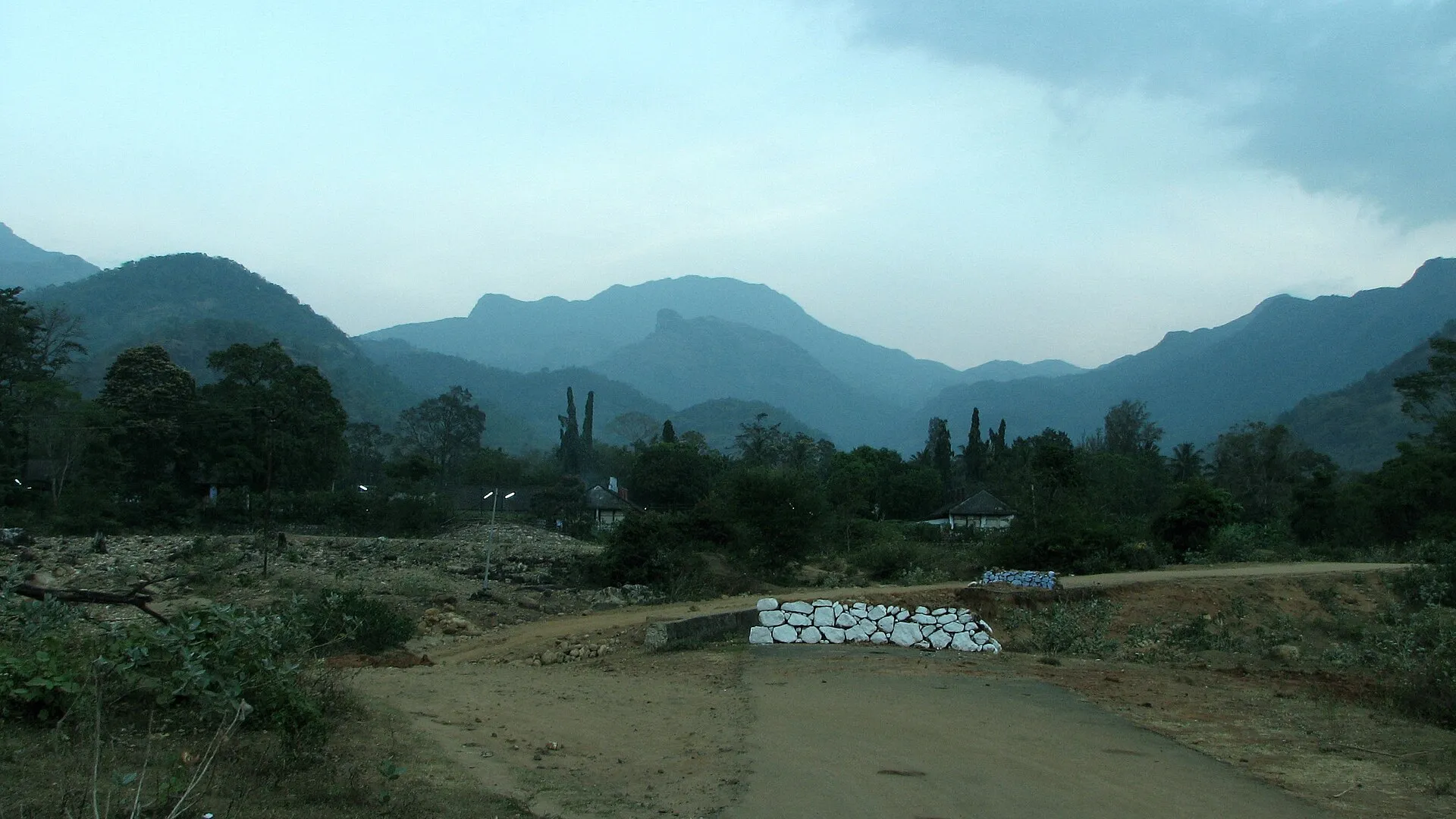
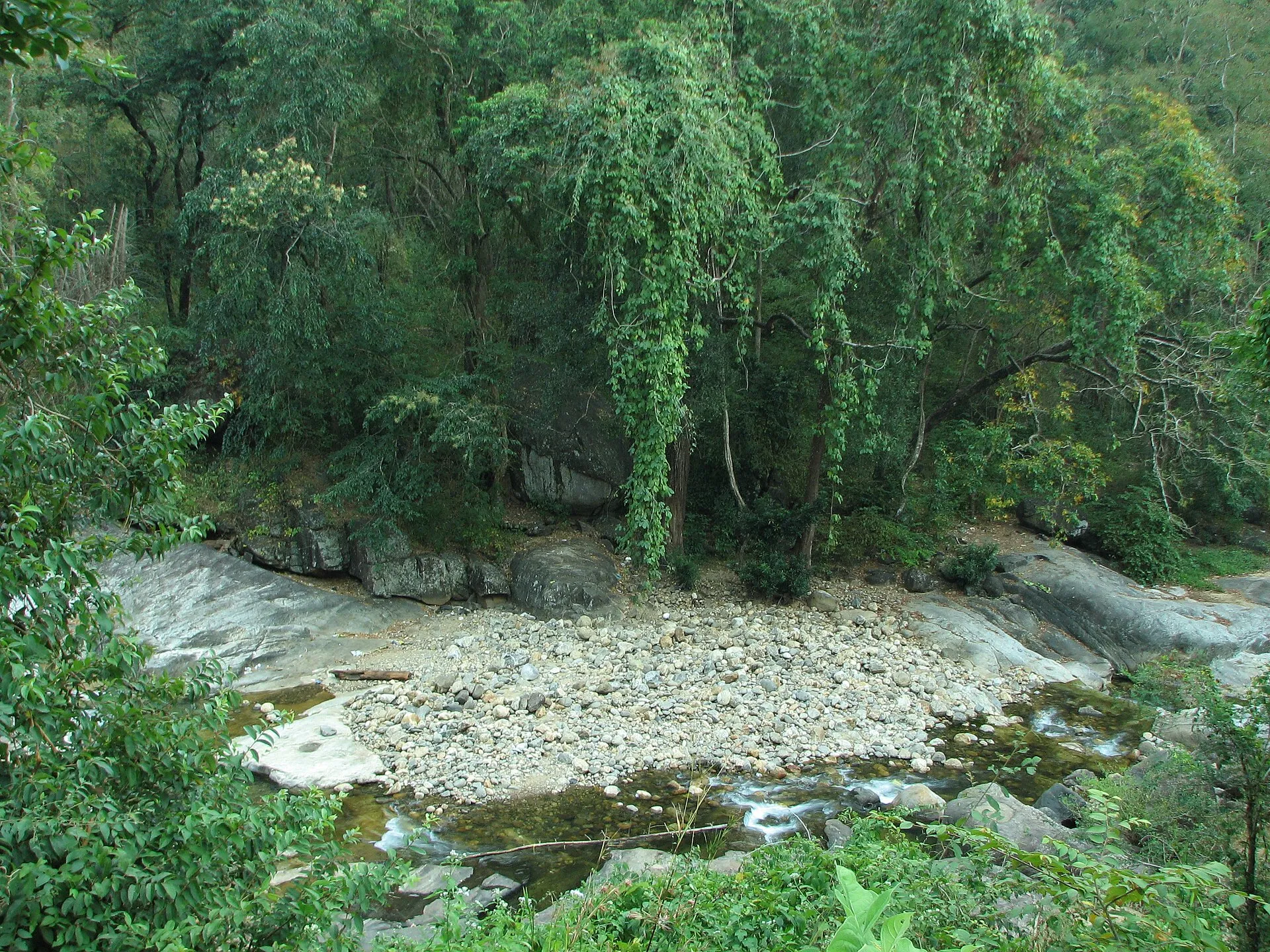
You come inland to Keeriparai, the edge of the forest that covers the district's northern hills. After the crowds and sun of the coast, this is a different district altogether. The road ends in green. Ahead lies the Kanniyakumari Wildlife Sanctuary, a tiger habitat at the southern tip of the Western Ghats, with seven rivers rising inside it. You step out. The air is damp and full of insects, and you can feel the forest watching.

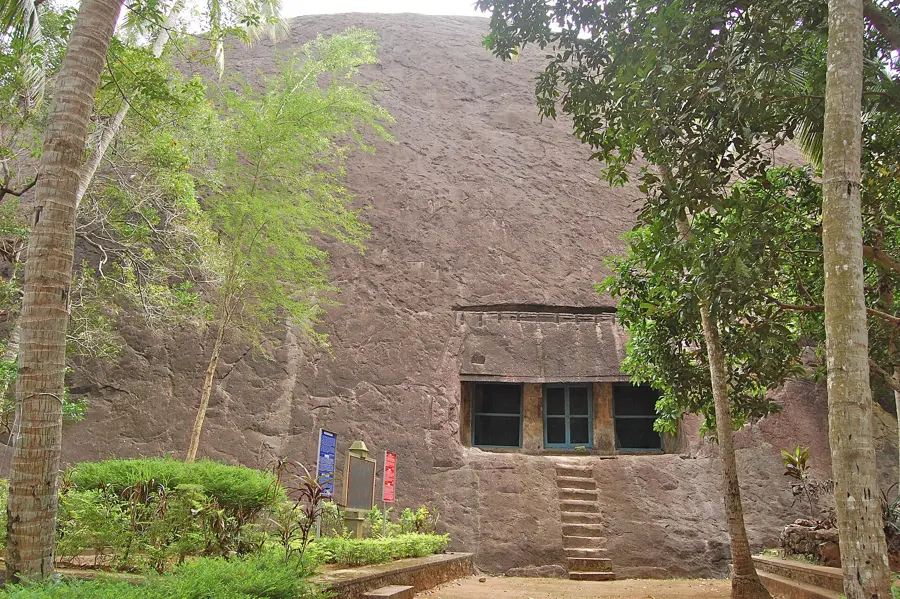
Keeriparai and Kanniyakumari Wildlife Sanctuary
Keeriparai and Kanniyakumari Wildlife Sanctuary · Photo: Wikimedia Commons contributor · CC BY-SA 3.0
01 / 03

At the forest edge

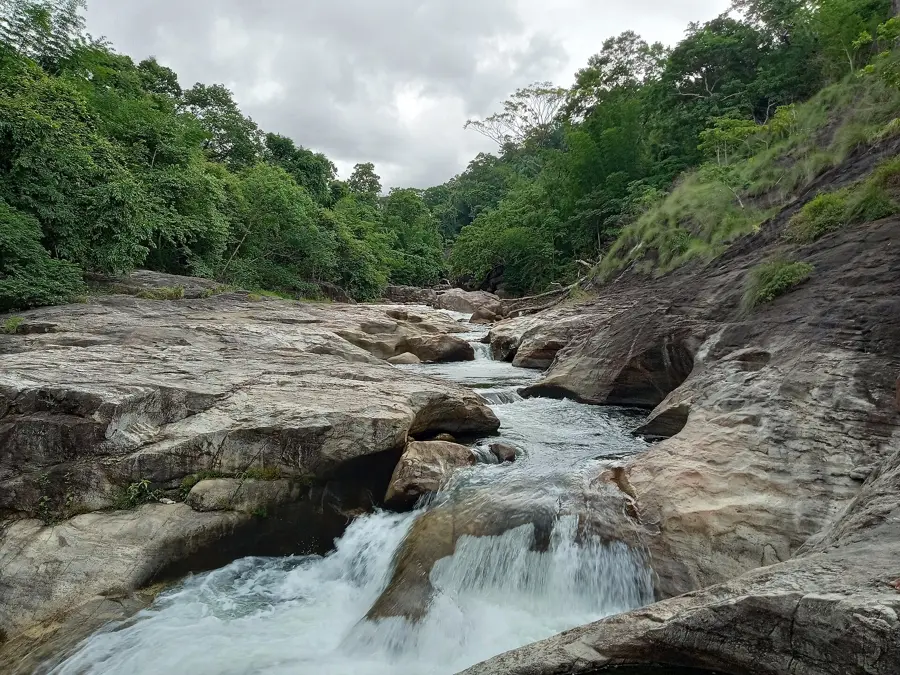
You stop where the settled land meets the trees. This is as far as most visitors should go without permission and local guidance. Look at how dense the green is, layer on layer. Seven rivers, including the Thamirabarani and the Pahrali, start in these hills and supply the district below, so everything you have seen on the plains depends on what is in front of you now.

Forest stream at Keeriparai
Forest stream at Keeriparai · Photo: Infocaster at English Wikipedia · CC BY-SA 3.0
02 / 03

What lives in here

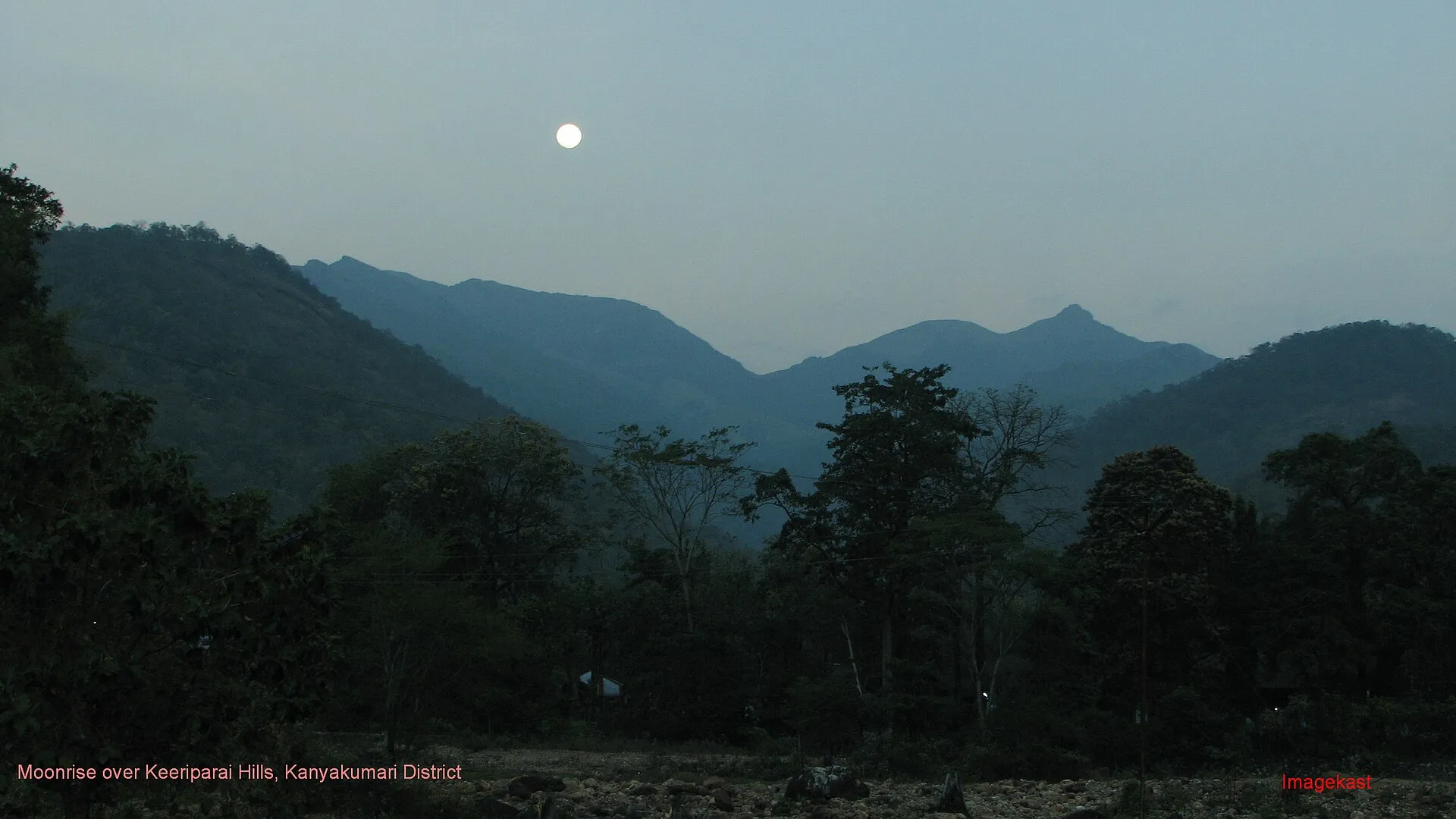
You look into the shade and try to imagine the animals recorded here: tigers, Indian bison, elephants, rock pythons, lion-tailed macaques, mouse deer, Nilgiri tahr and sambar. New species of plants, amphibians and insects have been described from these hills, and a rare bioluminescent mushroom has been spotted. You will likely see none of these on a short visit, but this is one of India's most diverse forest areas.

Forest stream at Keeriparai
Forest stream at Keeriparai · Photo: Infocaster at English Wikipedia · CC BY-SA 3.0
03 / 03

Going no further

You turn back at the limit of where you are allowed to walk. A few tribal villages lie deep inside the sanctuary, and the forest is their home as well as the animals'. Leave it as you found it, with no litter and no noise. If you want to go deeper, ask the Forest Department what is permitted and arrange it through them.

Being here

You see

Layer on layer of green, with hills rising behind.

You hear

Insects, birds and running water.

You smell

Rich damp soil and leaf mould.

You feel

Humid air and the sudden shade of the canopy.

The story

The Kanniyakumari Wildlife Sanctuary was declared in February 2008 in the northern hills of the district. Wikipedia's page on the sanctuary gives 402.4 square kilometres, while its district article gives 457.78. It is a tiger habitat and a wildlife corridor, with species including Indian bison, elephant, lion-tailed macaque, mouse deer, Nilgiri tahr and sambar. Seven rivers rise in it, including the Thamirabarani and the Pahrali. A few tribal villages lie in the sanctuary and adjoining reserve forests, and clearing for rubber estates has drawn protests from local people and environmentalists.

Sources: Wikipedia: Kanniyakumari Wildlife Sanctuary · Wikipedia: Kanyakumari district
Close by

☉
Balamore and Maramalai HillsVerified photograph to be added
Continue the journey

Balamore and Maramalai Hills