Kanniyakumari
Chitharal Jain Monuments
Photo: Shajinss · CC BY-SA 3.0
Palace Country · Monument

Chitharal Jain Monuments

சிதறால் சமணக் குடைவரை

Ninth-century Jain carvings on a forested hilltop

Move across the photo, or drag it on a phone, to look around.

You arrive

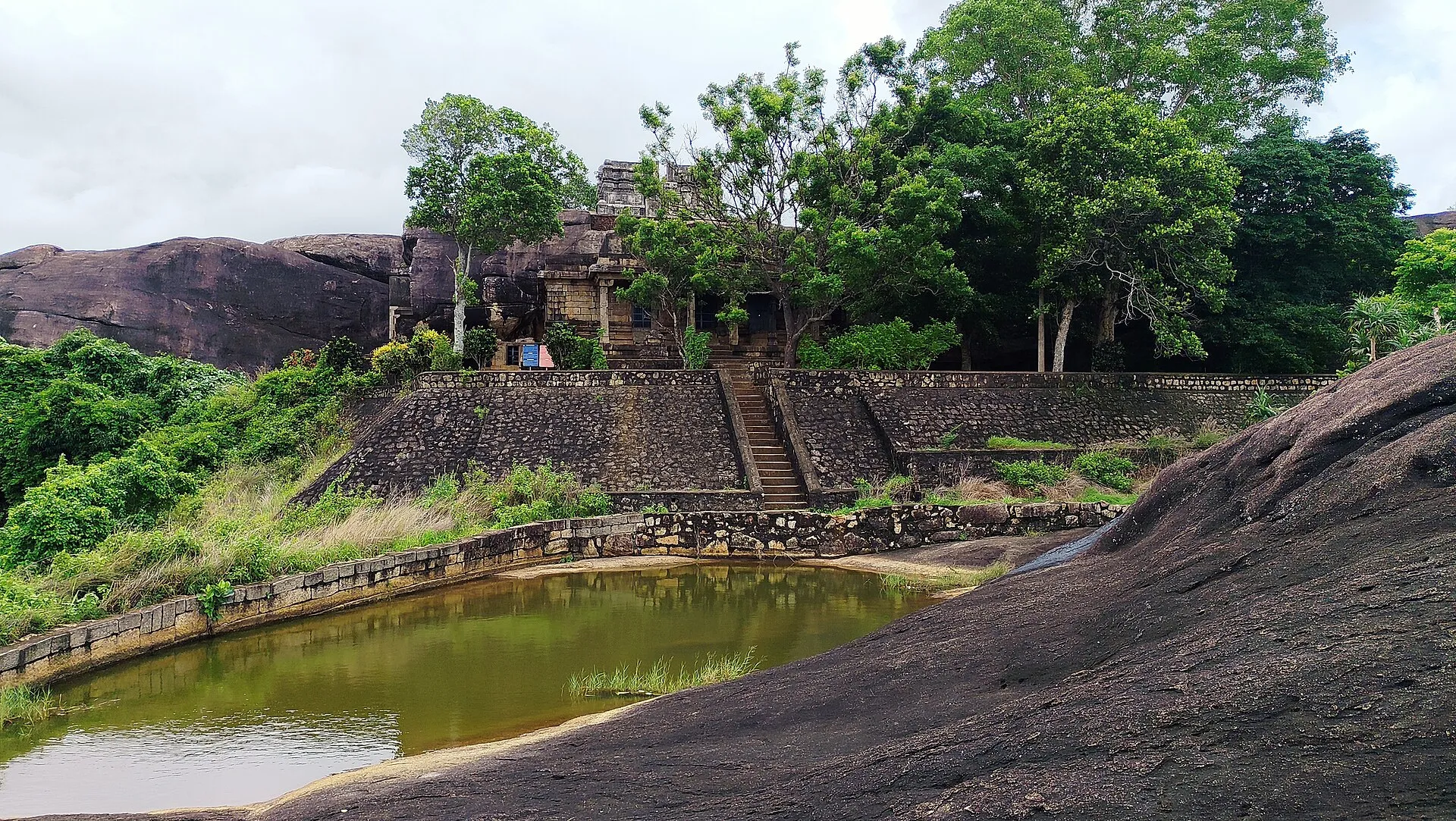
You reach the entrance board north of Chitharal village, on the low Thiruchanattu hills that people here call Chokkanthoongi. From here there is no road, only roughly hewn steps going up through cashew, coconut and rubber trees. The climb begins at once. You settle into a slow pace, the village sounds fall away, and the path keeps turning uphill toward a rock that Jain monks and worshippers were climbing more than a thousand years ago.

Chitharal Jain Monuments
Chitharal Jain Monuments · Photo: Athulvis · CC BY-SA 4.0
01 / 04

The climb

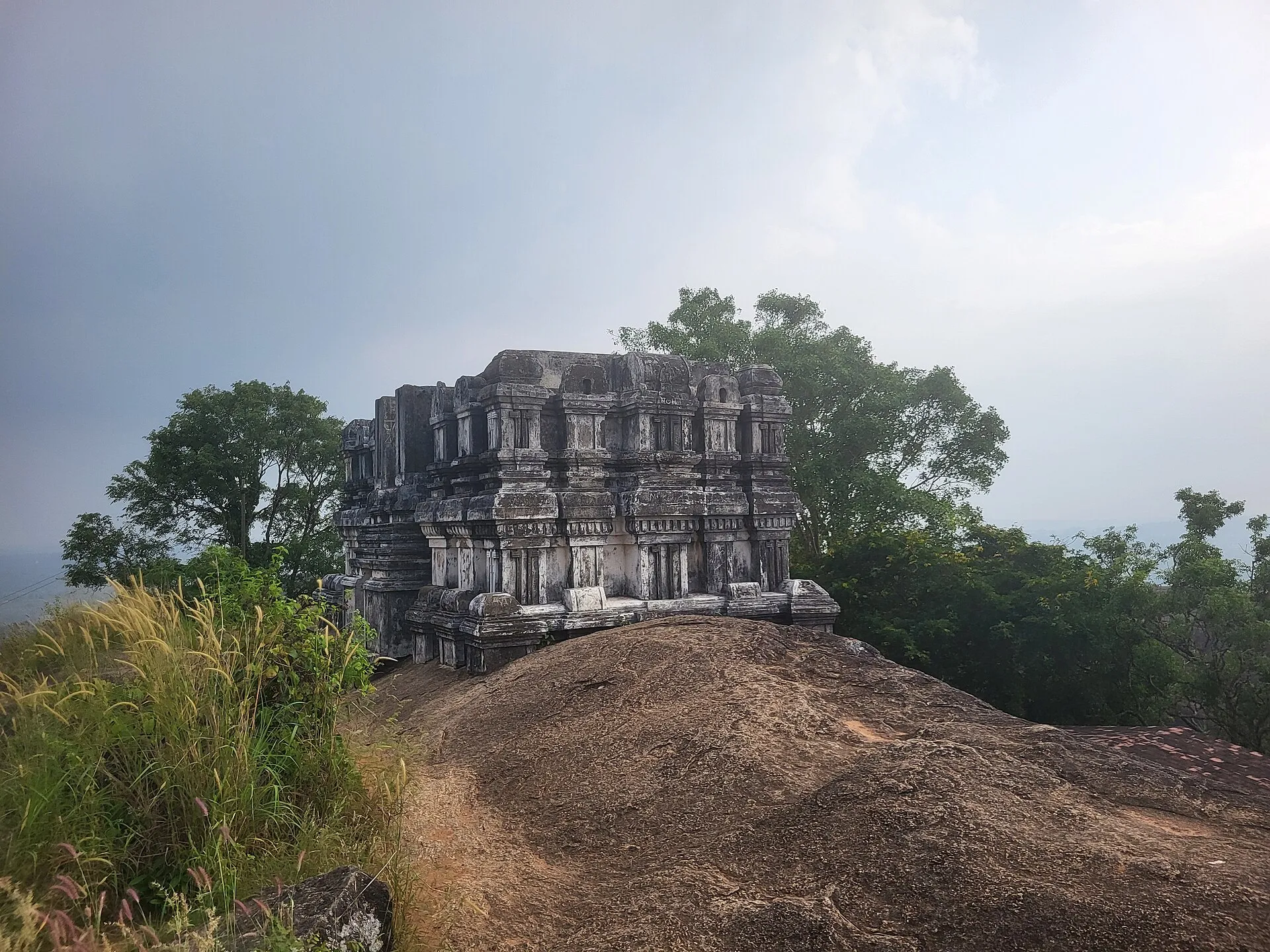
You go up the steps cut roughly into the hill, with plantation trees on both sides. It is a walk and not a difficult one, but the rock is uneven and the heat can build by mid-morning. Stop when you need to. Each turn of the path takes you higher above the farmland and further from the road, which is exactly why this hill was chosen.

Chitharal Jain Monuments
Chitharal Jain Monuments · Photo: Athulvis · CC BY-SA 4.0
02 / 04

The stone beds

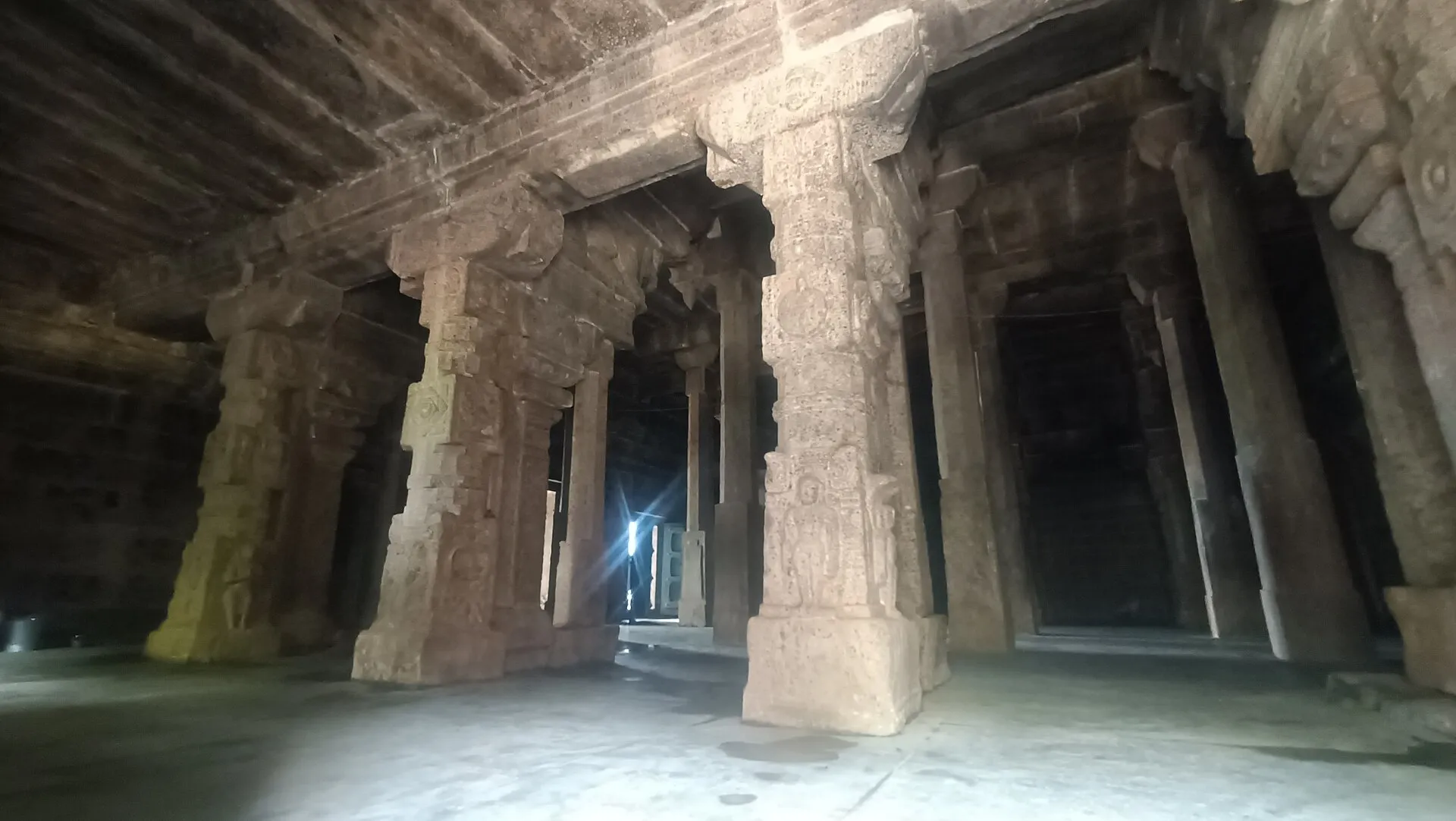
You come to the stone beds with their inscriptions, the oldest sign of the people who lived here. Monks lay on these shelves of rock, and the words cut near them record that this was already a place of some standing. Run your eyes along the letters without touching them. It is a very plain form of devotion, and the wind on the hill is the only company it has.

Chitharal Jain Monuments
Chitharal Jain Monuments · Photo: Shagil Kannur · CC BY-SA 4.0
03 / 04

The carved rock face

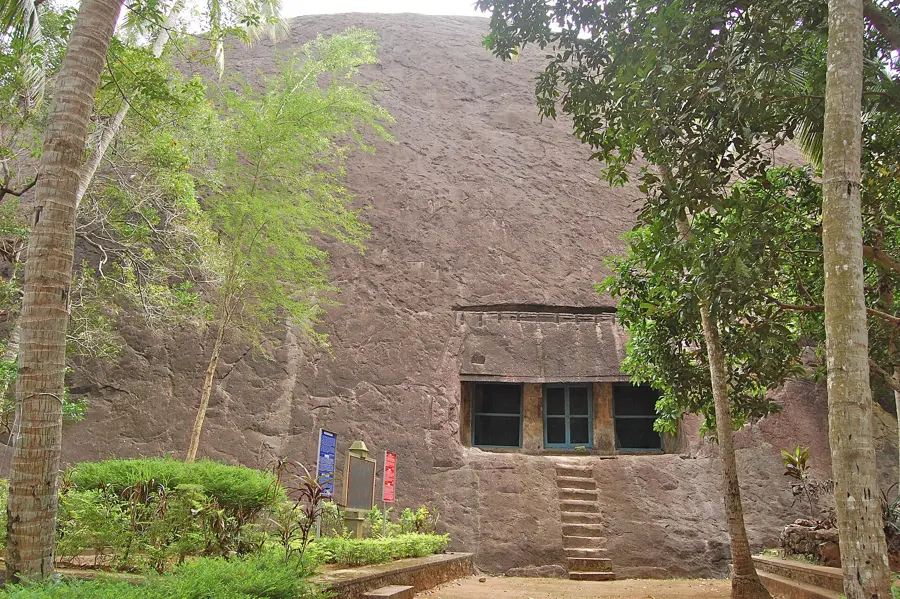
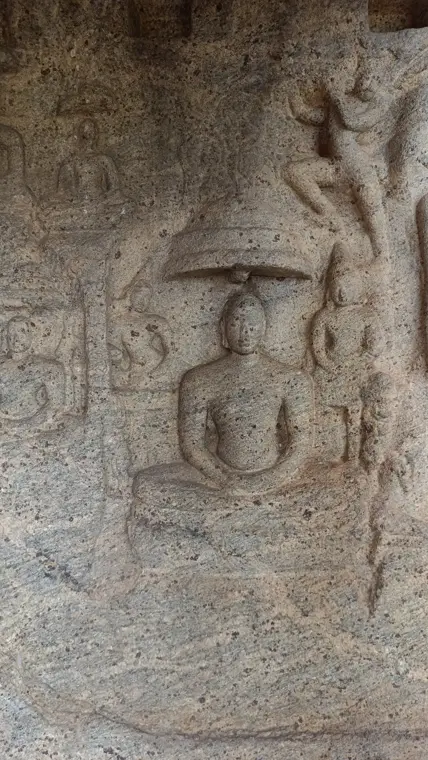
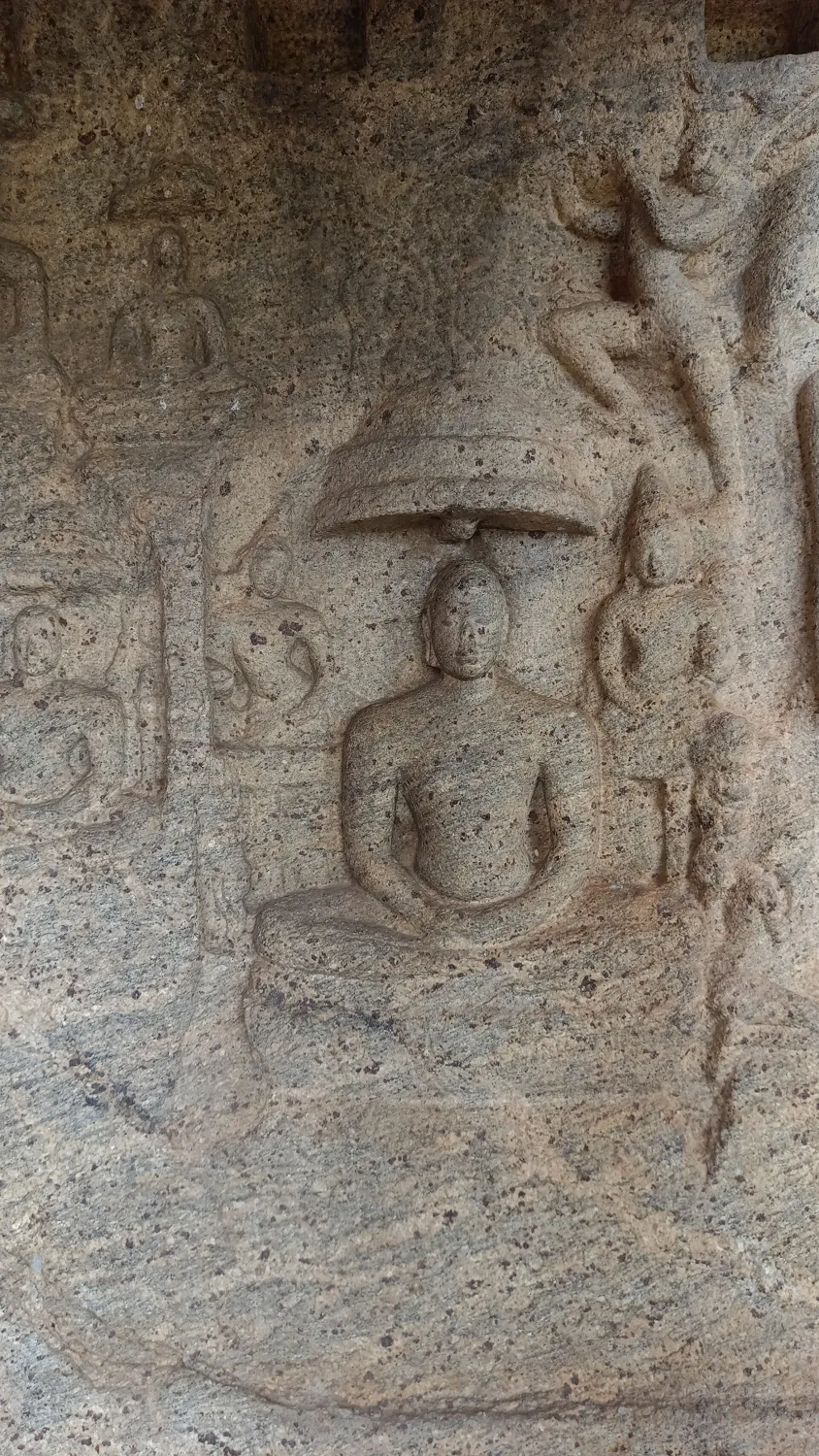
You reach the overhang and the reliefs on the outer wall of the rock-cut Jain temple. Rows of figures have been cut straight from the living stone, sharp enough to read each one after all these centuries. Walk along the line slowly. The Archaeological Survey of India now protects them, and the deep shade under the rock has helped keep their edges.

Chitharal Jain Monuments
Chitharal Jain Monuments · Photo: Shagil Kannur · CC BY-SA 4.0
04 / 04

The goddess temple

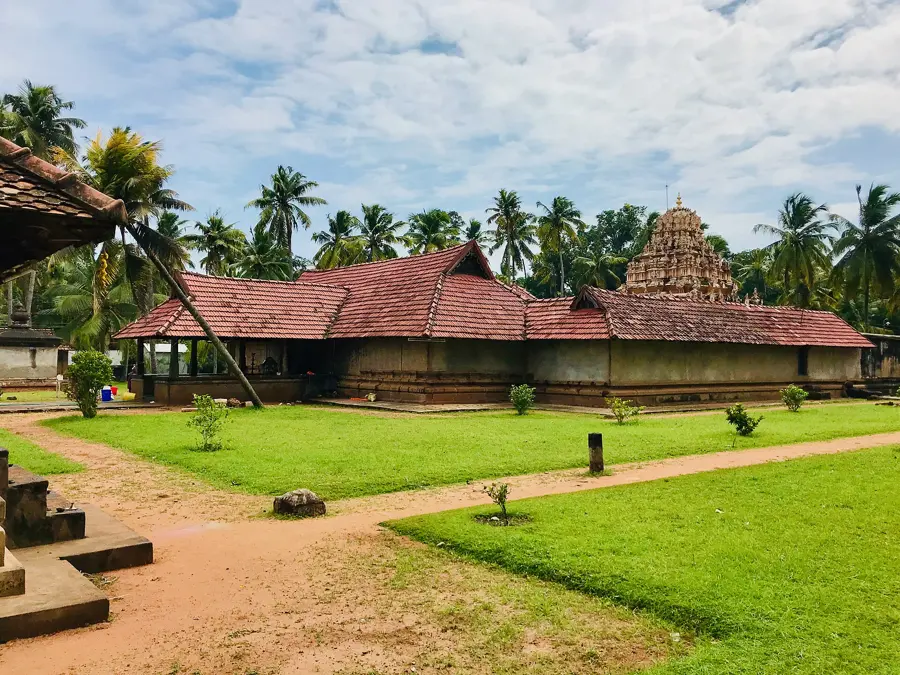
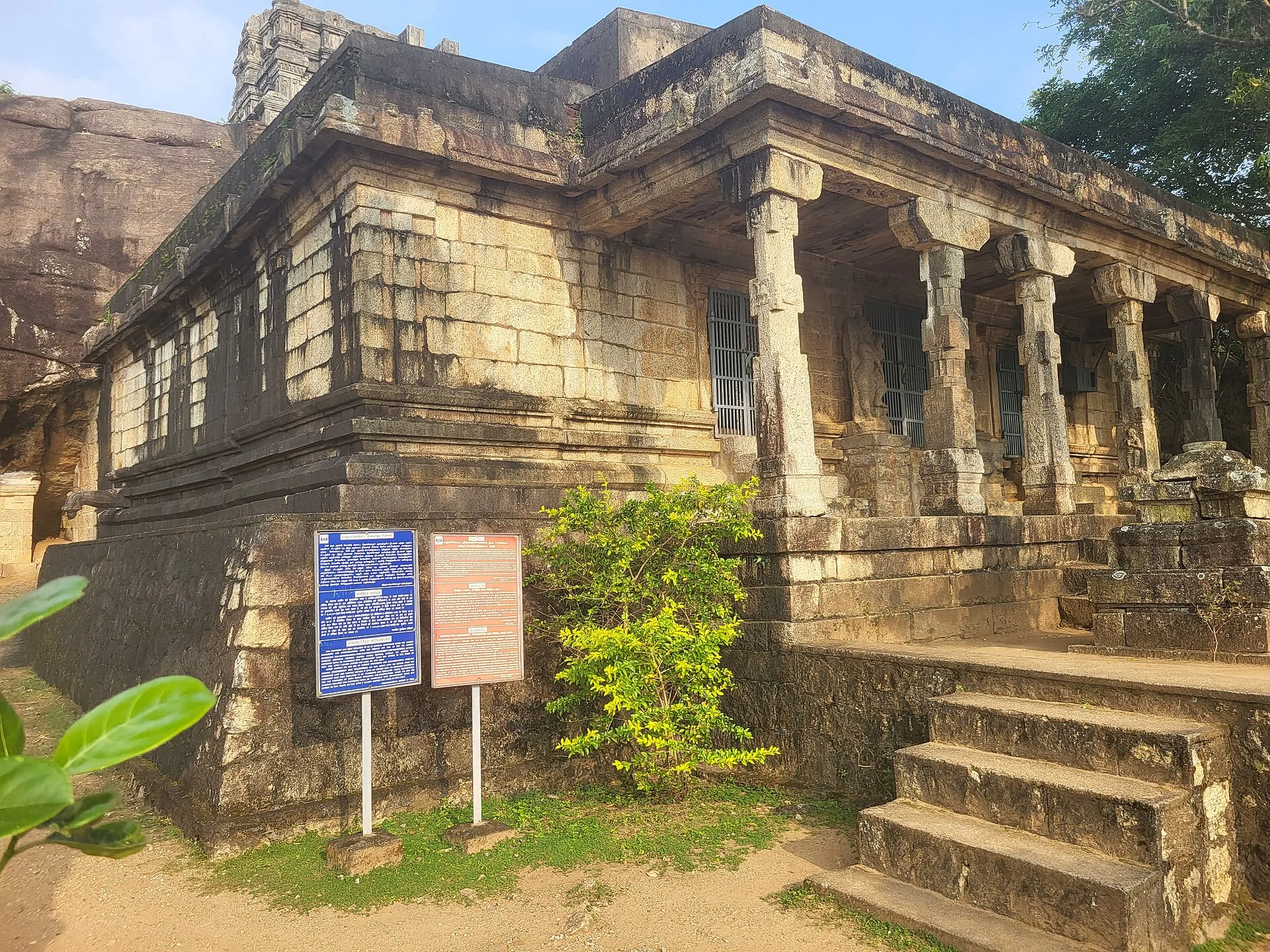
You move to the Bhagavati temple next to it, part rock-cut and part built stone, a later addition made in the reign of Vikramaditya Varaguna, as Wikipedia records. Two faiths share one rock here, side by side, with nobody having erased the other. Step out to the edge of the outcrop before you go down, and take in the green country falling away below you.

Being here

You see

Rows of carved figures on bare rock with plantation canopy all around.

You hear

Wind on the hilltop and birds in the trees below.

You smell

Warm rock and the green scent of the plantations.

You feel

Uneven steps under your feet and a breeze at the top.

Look around

The story

The monuments on Thiruchanattu Malai date from the 9th century CE and consist of stone beds with inscriptions, a rock-cut Jain temple with outer wall reliefs, and a Hindu goddess temple beside it that combines rock-cut work with stone added during the reign of Vikramaditya Varaguna Pandya. Inscriptions here and elsewhere suggest the hill had a long life as a Jain centre. Today the site is managed by the Archaeological Survey of India's Thrissur circle. It sits on the Chokkanthoongi hills, about 55 kilometres northwest of Kanyakumari by Wikipedia's figure, while Trawell gives 48 km.

Sources: Wikipedia: Chitharal Jain Monuments · Kanniyakumari district: Chitharal · Trawell: Kanyakumari places
Close by

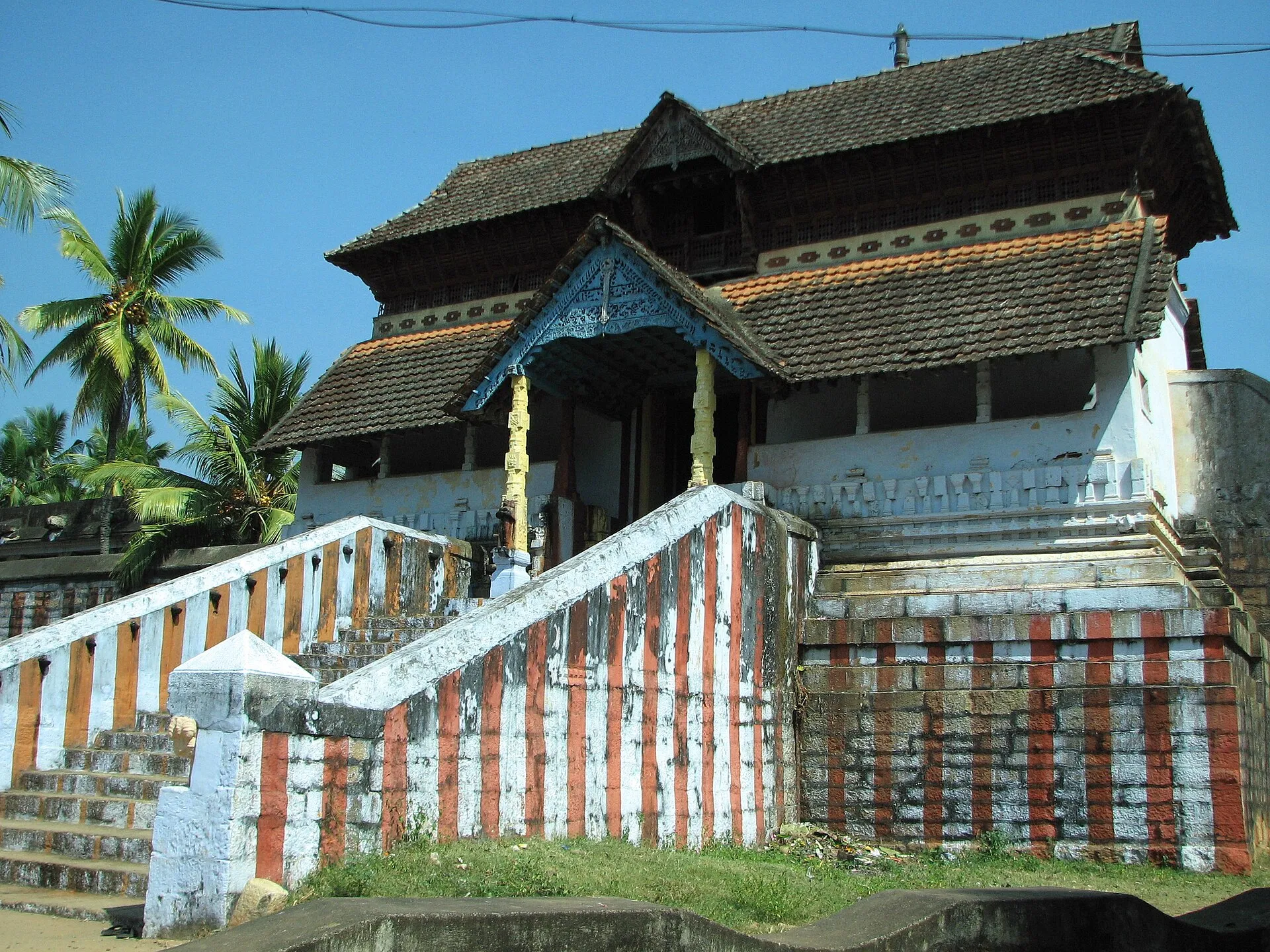
Adikesava Perumal Temple, Thiruvattar
Photo: Infocaster at English Wikipedia · CC BY-SA 3.0
Continue the journey

Adikesava Perumal Temple, Thiruvattar